
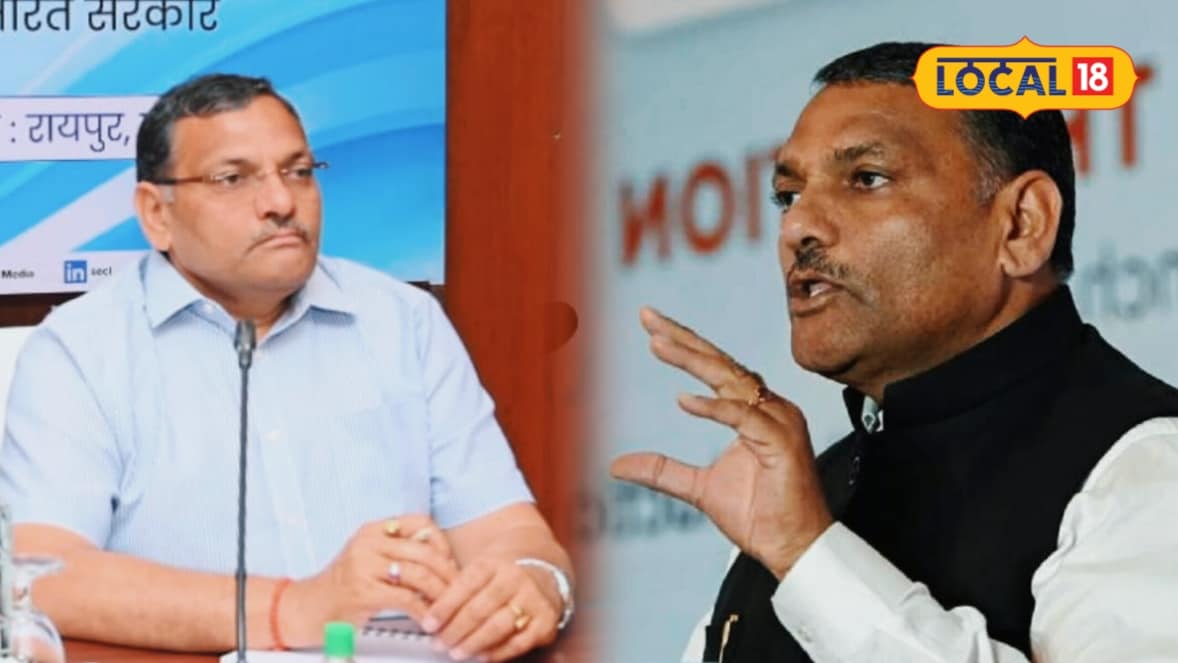
IAS Amritlal Meena, a distinguished civil servant originally from the modest village of Dabra in Karauli district, has been named to a newly constituted national task force under the National Testing Agency (NTA) with the explicit mandate to revamp the country's examination architecture. The announcement, made by senior officials of the NTA in a press briefing, signals a strategic move to draw on Meena's extensive administrative experience, particularly his tenure as the chief secretary of Bihar, to address long‑standing concerns about fairness, transparency and efficiency in competitive examinations.
Born and raised in Dabra, Meena's early education took place in the village's government school, where limited resources demanded extraordinary personal resolve. After clearing the rigorous Union Public Service Commission (UPSC) examination, he entered the Indian Administrative Service and gradually ascended through a series of district and state‑level postings. His appointment as Bihar's chief secretary placed him at the apex of the state's bureaucracy, where he oversaw critical policy reforms and administrative modernization, earning a reputation for integrity and decisive leadership.
The formation of the NTA task force comes against a backdrop of mounting criticism over the conduct of national level examinations, including allegations of irregularities, logistical bottlenecks and inadequate digital infrastructure. While the NTA has previously introduced measures such as computer‑based testing and enhanced security protocols, stakeholders argue that systemic gaps persist. The task force, comprising senior bureaucrats, academic experts and technology specialists, is expected to conduct a comprehensive audit of existing processes, recommend policy amendments, and pilot innovative assessment models.
Education analysts, senior university administrators and student representatives have welcomed Meena's inclusion, noting that his blend of grassroots insight and high‑level governance could bridge the divide between policy intent and on‑ground realities. Officials from the Ministry of Education have emphasized the need for a collaborative approach, while students across the country have expressed cautious optimism that reforms may lead to more equitable opportunities and reduced stress during examinations.
For the people of Karauli and the surrounding Kotputli‑Behror region, Meena's new role is a source of collective pride and inspiration. Local schools report heightened interest among pupils, many of whom now view civil service careers as attainable pathways. Small businesses anticipate increased demand for educational services, coaching centres and technology solutions, potentially stimulating the local economy and encouraging infrastructural investment.
The state government of Rajasthan has pledged its support by facilitating dialogues between the task force and regional education authorities. Simultaneously, the central Ministry of Education has outlined a framework for periodic monitoring, ensuring that recommendations are translated into actionable guidelines. Administrative officials stress that the task force will operate within a clear statutory timeline, with interim reports to be submitted to the parliamentary committee on education.
Looking ahead, the task force aims to deliver a detailed reform blueprint within the next twelve months, followed by phased implementation across all NTA‑conducted examinations. Stakeholders anticipate that the reforms will introduce robust digital platforms, standardized evaluation criteria and transparent grievance mechanisms. As the nation watches the progress, Meena's journey from Dabra to the national stage embodies the transformative potential of dedicated public service, setting expectations for a more meritocratic and accountable examination system.