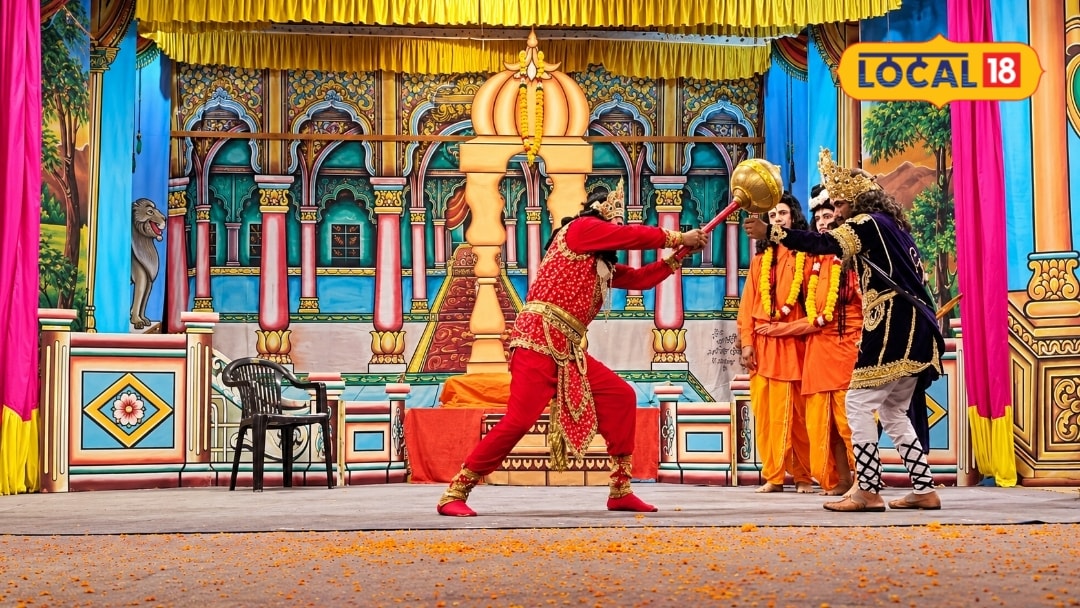
In an era dominated by high-definition digital displays and automated stage machinery, a historic theatre in Sikar stands as a remarkable exception. The Shri Kalyan Rangmanch continues to mesmerize art enthusiasts by preserving a vintage mechanical staging technique that dates back several decades. Rather than relying on modern electronic projections or computerized lighting, the venue relies entirely on manual ingenuity and classical theatrical craftsmanship to transport viewers to ancient eras during the annual Ramleena performances.
The cultural roots of this institutional landmark trace back to 1953 when the local theatrical tradition first took formal shape within the community. Recognizing the growing popularity and the profound cultural significance of these annual enactments, the formal construction of the dedicated Shri Kalyan Rangmanch commenced and was completed in 1962. Ever since its establishment, the venue has served as the undisputed epicentre of traditional dramatic arts, bringing together artisans, performers, and devoted audiences from across the region to celebrate timeless mythological narratives.
At the heart of the theatre's enduring charm is its remarkably distinct physical architecture and manual mechanics. The entire stage setup operates through a meticulously coordinated system utilizing precisely seven curtains and eleven ropes. Complementing this pulley and curtain mechanism is a specialized architectural design featuring a two-foot slope on the main performance floor, which naturally enhances perspective and audience visibility. Additionally, the theatre incorporates a fully functional basement area dedicated to artist makeup, costume preparation, and seamless backstage management during the rigorous schedules of the festival.
Cultural custodians, veteran artisans, and local patrons frequently emphasize the irreplaceable value of maintaining these authentic staging methods. According to regional cultural experts, the physical interaction between the actors and the manual stage apparatus fosters a genuine artistic connection that computerized setups simply cannot replicate. Senior members of the organizing committees maintain that safeguarding this tangible heritage is a moral obligation owed to future generations, ensuring that the foundational mechanics of classical Indian theatre are never lost to commercial modernization.
The cultural footprint of the Shri Kalyan Rangmanch extends far beyond municipal boundaries, influencing artistic appreciation throughout the broader Kotputli-Behror district and neighbouring areas. Visitors, researchers, and students of dramatic arts regularly travel to Sikar to witness firsthand how complex scene transitions are flawlessly executed using only traditional ropes and painted cloths. This steady influx of cultural enthusiasts contributes positively to local cultural tourism, boosting civic pride and fostering a deeper appreciation for indigenous performing arts among the youth.
In response to the growing recognition of this architectural and cultural marvel, local administrative bodies and heritage conservation groups have increasingly turned their attention toward ensuring the longevity of the venue. Discussions regarding structural maintenance, safety audits for the decades-old rigging systems, and enhanced documentation of the unique stagecraft are periodically undertaken. Authorities recognize that protecting the physical integrity of the Shri Kalyan Rangmanch is crucial for sustaining the rich intangible cultural heritage embedded within its walls.
Looking ahead, the organizers and community stakeholders remain deeply committed to preserving the unadulterated format of the annual Ramleena celebrations at the Shri Kalyan Rangmanch. Plans are underway to educate younger cohorts of local actors and stagehands in the intricacies of the seven-curtain and eleven-rope system, guaranteeing generational continuity. As modern entertainment trends continue to evolve rapidly, this bastion of classical theatre in Sikar stands resolute, proving that timeless stories require nothing more than human dedication and ingenious mechanical simplicity to endure.