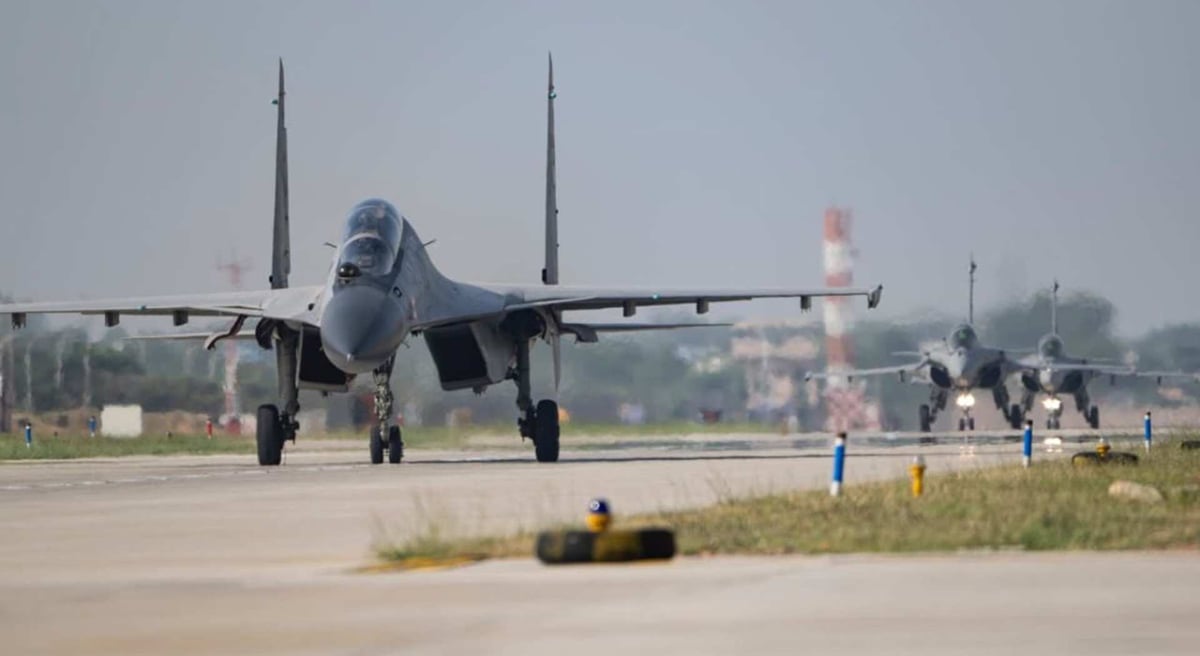
In an unprecedented display of global tactical integration, American F-35 fighter jets have flown in a joint formation alongside India's indigenous Tejas and advanced Rafale aircraft. This historic aerial maneuver took place in the skies above Rajasthan, marking a significant milestone in modern military aviation and multinational defense cooperation. The joint flight brought together three of the world's most formidable fighter platforms in a single airspace.
The multinational exercise, officially designated as Tarang Shakti, has served as a premier platform for major global air forces to enhance interoperability, share tactical doctrines, and build strategic trust. The inclusion of fifth-generation aircraft like the American F-35 alongside fourth-and-a-half-generation fighters such as the Rafale and India's own Light Combat Aircraft Tejas highlights the changing dynamics of modern aerial warfare and coalition readiness.
Defense analysts monitoring the exercise have noted that coordinating flight paths, communication protocols, and logistical support for such diverse aircraft requires meticulous planning. While specific classified financial figures and operational logistics remain restricted, the sheer scale of deployment in Rajasthan underscores the vast logistical and technical coordination executed by the participating nations.
Military strategists, defense commentators, and international observers have expressed immense enthusiasm over this joint deployment. Stakeholders within the defense establishment emphasize that such joint exercises foster deep operational understanding between allied and partner air forces, ensuring seamless coordination during complex multinational contingencies and joint security missions.
Although the primary theatre of operations remains centered around the designated exercise zones in Rajasthan, the broader strategic resonance of this event extends across the nation, including regions like Kotputli-Behror. The local community and regional observers take immense pride in India's growing stature in defense manufacturing and tactical leadership, as demonstrated by the frontline deployment of the Tejas aircraft.
Administrative oversight and strict safety protocols have been meticulously maintained by the defense authorities and participating air commands throughout the duration of Tarang Shakti. Officials have ensured that all logistical, airspace management, and security measures comply with international aviation standards, guaranteeing the safety of both operating personnel and civilian airspace users in the region.
Looking ahead, the successful joint flight of the Tejas, Rafale, and American F-35 sets a robust precedent for future bilateral and multilateral defense engagements. As preparations for subsequent phases of international military exercises continue, defense planners anticipate even deeper technological collaboration, joint training modules, and enhanced strategic partnerships in the years to come.