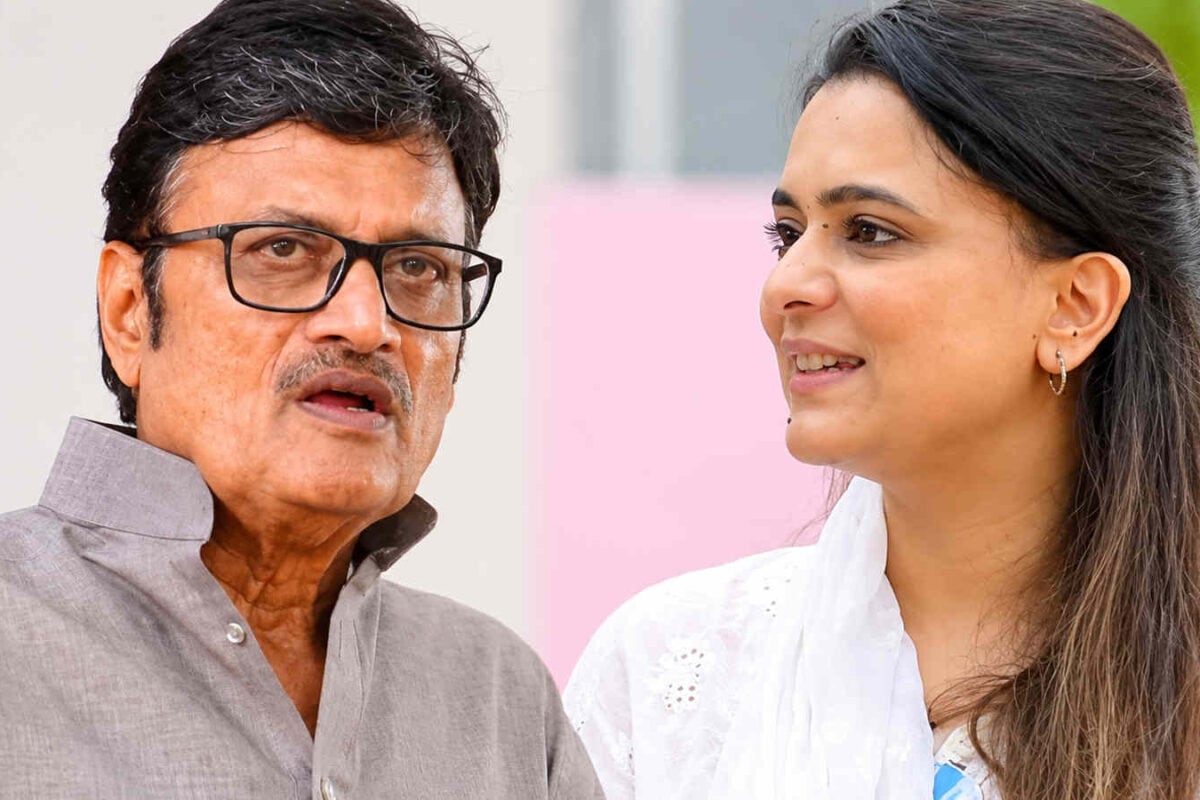
The political climate in Rajasthan has intensified significantly as elections for the position of Jila Pramukh are underway across 37 districts, with Churu quickly transforming into the most closely watched high-stakes arena in the state. The contest reached a fever pitch after the Bharatiya Janata Party officially fielded Kanika Singh, the daughter-in-law of veteran politician and former Leader of Opposition Rajendra Rathore, as its candidate for the top post. This decisive move has injected considerable uncertainty into an election where the Indian National Congress originally appeared to hold an insurmountable arithmetic advantage.
To understand the depth of this political contest, one must look at the larger statewide exercise where 37 Jila Pramukh positions are being contested. Churu has naturally drawn statewide attention due to the formidable political stature of Rajendra Rathore, whose family influence is now directly tested in this election. The entry of Kanika Singh into the electoral fray signals that the opposition is not willing to concede the council leadership easily, treating this local government election as a critical battle of prestige and grassroots dominance.
The ground reality and electoral numbers in the Churu Jila Parishad reveal a tightly poised statistical scenario. Out of the total 39 elected council seats, the Congress party secured 21 seats, thereby establishing a clear operational majority beyond the half-way mark. Conversely, the BJP managed to win 17 seats, leaving a concrete gap of four seats between the two principal political forces. Under normal circumstances, a four-seat deficit would guarantee a comfortable victory for the majority party, yet the current lineup has completely disrupted conventional expectations.
Despite the numerical gap of four seats, the decision by the BJP leadership to challenge the post through Kanika Singh has sent shockwaves through local political circles. Political observers note that such a challenge inherently relies on the possibility of cross-voting among council members during the secret ballot process. In response to these developments, the Congress leadership has placed its entire local unit on maximum alert, initiating strict internal coordination to keep its 21 elected members united and prevent any potential defections or unexpected votes.
The ripples of this intense local election extend well beyond the borders of Churu, influencing political discourse in neighboring administrative regions such as the newly formed Kotputli-Behror district and the surrounding Shekhawati belt. Local governance dynamics at the district council level play a pivotal role in dictating the allocation of rural development funds, administrative coordination, and party morale across northern Rajasthan. A sudden shift in council leadership in a prominent district like Churu often alters regional political equations and shapes public perception regarding party strength.
From an administrative standpoint, the local election machinery and state authorities are implementing rigorous measures to ensure that the voting process remains standard, transparent, and legally compliant. Statutory oversight protocols dictate strict monitoring of the election procedures to prevent procedural irregularities. Officials responsible for conducting the poll are under clear instructions to enforce the code of conduct rigorously and provide a secure environment for all 39 elected members to exercise their franchise.
As the final countdown to the voting day proceeds, political analysts and citizens alike remain focused on whether the established majority will hold firm. The Congress party continues its intense vigilance to safeguard its 21 councilors, while the BJP tests its organizational influence through the candidacy of Kanika Singh. The upcoming vote will conclusively decide whether the arithmetic majority prevails or if strategic maneuvering redefines the leadership of the Churu Jila Parishad.