
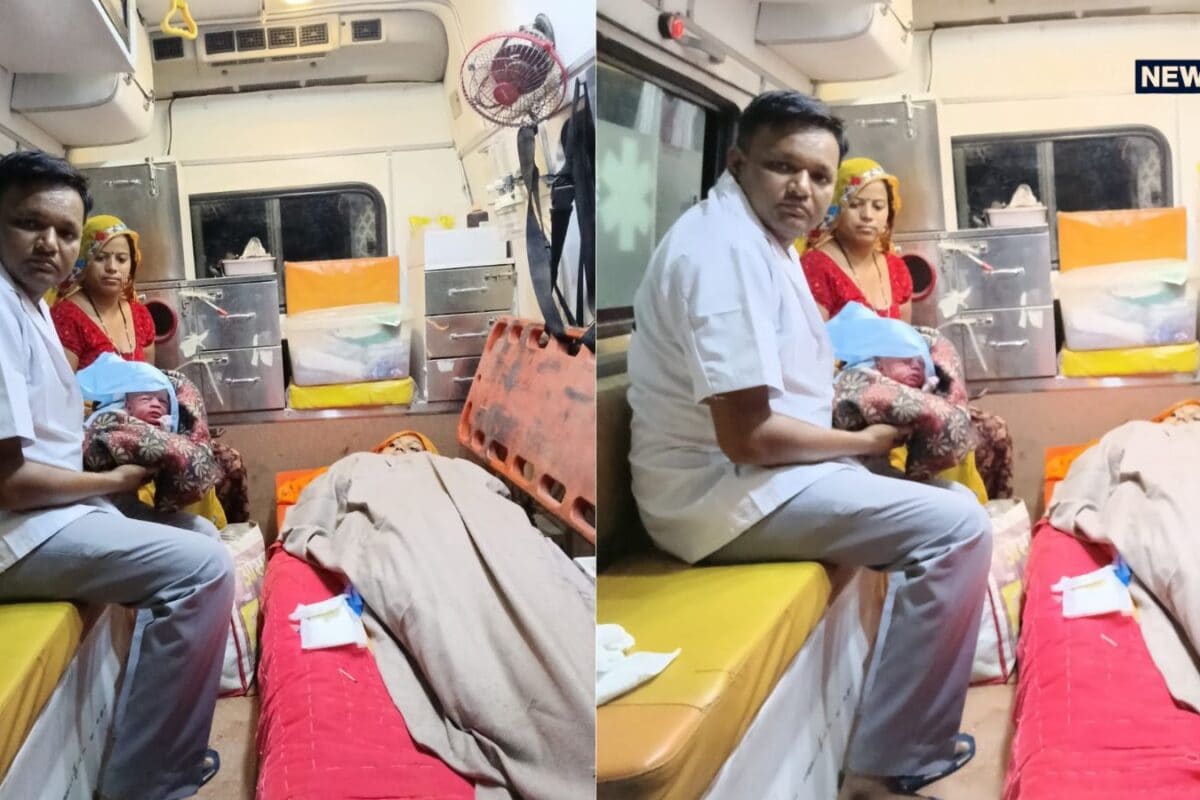
In a severe indictment of the rural healthcare infrastructure in Rajasthan's Alwar district, two expectant mothers experienced emergency childbirth inside a moving 108 ambulance while being transferred from the Pratapgarh Community Health Centre (CHC) to a higher medical facility in Jaipur. The distressing incident has brought to light the acute deficiencies plaguing primary and secondary healthcare institutions in remote rural pockets, where basic maternal care remains a distant dream for vulnerable families.
The administrative background of this crisis points toward chronic underfunding, staff shortages, and systemic apathy within peripheral healthcare units like the Pratapgarh CHC. For years, residents of surrounding villages have complained about the lack of specialized medical practitioners, diagnostic equipment, and functional delivery rooms. Instead of receiving timely localized treatment, rural patients are routinely subjected to arbitrary emergency referrals to distant urban centers such as Jaipur, exposing them to immense logistical perils during transit.
According to ground reports, the chaotic sequence of events unfolded when two women from different households in the region were rushed to the Pratapgarh CHC due to labor pains. The first woman, Usha, hailing from Padakachhapli, was expecting her seventh child and hoped for safe institutional care. Simultaneously, Dhauli Devi from Guwada Gugli, also carrying her seventh child, sought urgent medical intervention at the facility. Due to the complete absence of necessary maternal support systems at the CHC, both women were abruptly referred to Jaipur.
Faced with a complete breakdown of internal hospital facilities, the lives of both mothers and their unborn infants hung by a thread during the perilous midnight journey. However, thanks to the exceptional presence of mind, professional competence, and timely intervention demonstrated by the emergency 108 ambulance crew, both deliveries were successfully managed inside the moving vehicle. Usha safely gave birth to a baby girl, her seventh child, while Dhauli Devi delivered a healthy baby boy, marking the arrival of her seventh child under extremely challenging circumstances.
The ramifications of this infrastructural collapse extend deeply across the socio-economic fabric of the extended region, touching upon the larger Kotputli-Behror district's healthcare accessibility. Rural communities, dependent entirely on public health centers, find themselves bearing the heavy financial and emotional toll of systemic neglect. When frontline institutions fail to perform basic obstetric functions, marginalized families are pushed toward exorbitant private alternatives or face mortal danger during prolonged emergency transits.
Breaking her silence on the administrative failure, Dr. Mohini Balai, the resident gynecologist at the Pratapgarh CHC, openly admitted the grim ground realities. She confirmed that the maternity ward suffers from severe infrastructural deficiencies, making it exceptionally difficult for medical professionals to conduct even routine normal deliveries within the hospital premises. This candid admission from a senior attending physician serves as a formal indictment of the district health administration's inability to maintain basic operational standards.
As public outrage mounts over the grave threat to maternal safety in Alwar, civil society groups and local citizens are demanding immediate administrative accountability and structural overhauls. The overarching public expectation centers on the urgent augmentation of medical supplies, recruitment of specialized staff, and upgrading of maternity wards across all community health centers. Unless proactive measures are implemented by the health directorate, vulnerable rural mothers will continue to face life-threatening risks on state highways.