
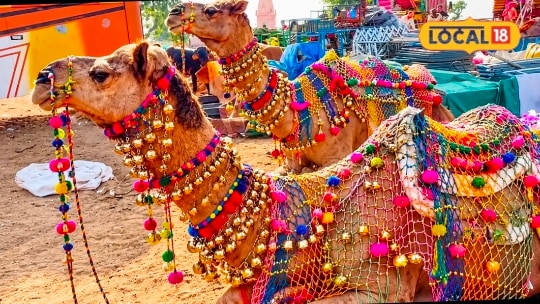
The annual Pushkar Animal Fair has once again transformed the sacred town of Pushkar into a vibrant hub of cultural heritage, livestock trading, and festive excitement. As the official dates of the fair draw closer, the local markets are exhibiting an extraordinary display of traditional craftsmanship, specifically tailored for the ornamentation of camels and horses. This legendary gathering continues to attract tourists, traders, and animal breeders from every corner of the nation who come to witness the unique spectacle of rural Rajasthan.
Historically, the Pushkar Fair has served as one of the largest and most significant camel and livestock trading platforms in the region, deeply rooted in the socio-economic fabric of rural Rajasthan. For generations, pastoralists and camel owners have treated this grand event not merely as a commercial marketplace, but as a prestigious cultural showcase where the beauty, health, and lineage of their livestock reflect their social status and dedication. The intricate tradition of animal ornamentation has evolved over centuries, transforming simple working animals into magnificent masterpieces adorned with colorful textiles, bells, and handmade jewelry.
The current ground reality in the bustling markets of Pushkar reveals a flourishing trade in specialized decorative gear, ranging from intricately embroidered saddles and ankle bells to beaded necklaces and colorful wool tassels. Financial stakes for the animal owners are notably high this season, reflecting both inflation and the deep-seated cultural pride associated with the event. According to local market observations, achieving a standard and basic decoration for a camel incurs an estimated expenditure of about 20 to 22 thousand rupees. Meanwhile, for owners desiring a more elaborate, superior, and fully comprehensive floral and traditional ornamentation, the total cost surges significantly, reaching anywhere between 25 to 30 thousand rupees and culminating at an impressive 40 thousand rupees.
Local traders, artisans, and experienced animal breeders express immense enthusiasm regarding the current market trends, noting that meticulous preparation begins months in advance. Stakeholders emphasize that the investment in high-end decorations is considered worthwhile because a brilliantly adorned camel commands greater respect, admiration, and potentially higher bids during the livestock negotiations. Visitors and photographers flock to these majestic animals, often remarking that the intricate bridal-like beauty and elaborate styling of the camels overshadow traditional human ornamentation, creating a mesmerizing visual spectacle across the desert sands.
While the immediate festivities and economic buzz remain centered in Pushkar, the regional impact extends across neighboring districts, including the wider expanse of Rajasthan. Communities dependent on handicrafts, textile weaving, metal smithing, and animal husbandry experience a vital seasonal boost in their livelihoods. Artisans who spend months crafting these decorative items find a lucrative marketplace that sustains their traditional skills and provides essential financial support for their families during the festive season.
Administrative authorities and local municipal bodies in Pushkar have instituted comprehensive measures to ensure the smooth conduct of the fair, managing the massive influx of tourists, traders, and livestock. Security protocols, veterinary health camps, water supply arrangements, and traffic management systems are systematically deployed to oversee the sprawling grounds. Officials maintain close coordination with local trader associations to prevent disputes, maintain hygiene standards, and ensure animal welfare throughout the duration of the grand event.
Looking forward, the upcoming days of the Pushkar Animal Fair promise heightened cultural performances, brisk commercial trading, and an even greater gathering of national and international visitors. As the livestock owners put the finishing touches on their heavily invested camel decorations, the anticipation for the peak days of the fair reaches its zenith. The event continues to stand as a resilient symbol of Rajasthani tradition, seamlessly blending ancient rural commerce with contemporary tourism while preserving the majestic heritage of the Thar desert.
