

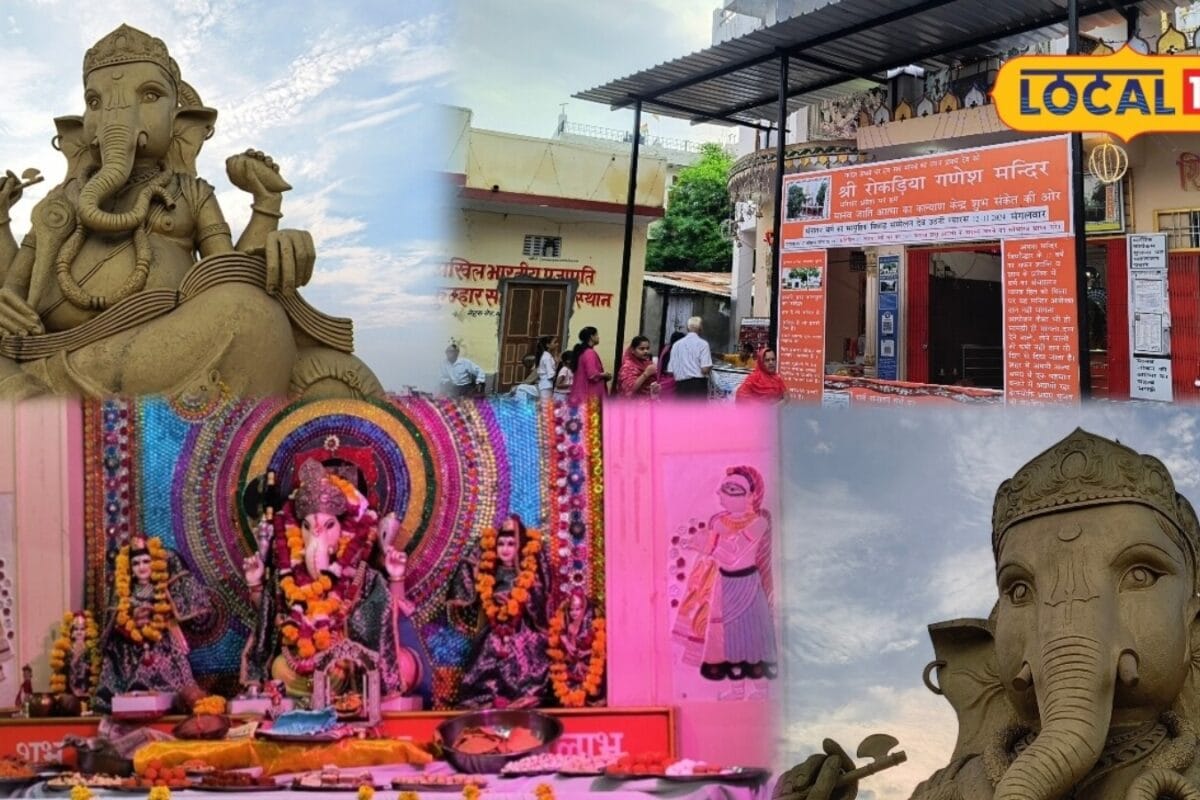
In an alarming ground report emerging ahead of the annual Ganesh Chaturthi festivities, traditional clay and plaster idol artisans in regional cottage hubs are grappling with acute economic uncertainty as retail footfalls and institutional advance bookings remain subdued despite substantial personal capital invested in workshop preparations.
According to local workshop proprietors across the region, several craftsmen undertook extraordinary personal and financial risks to revive operations following preceding seasonal losses. One affected artisan recounted that after sustaining devastating losses of over Rs 4.5 lakh in the previous operating cycle, they were compelled to pledge family gold ornaments to secure Rs 2 lakh in emergency working capital to craft and paint idols for this year's festival.
Despite months of meticulous sculpting, intricate detailing, and procuring natural pigments, clay, and timber armatures at significantly escalated freight and raw material rates, consumer turnout has remained unusually sluggish. Workshop sheds across craft colonies remain crowded with unsold handcrafted idols of various dimensions, prompting grave concern over trapped capital and burgeoning informal loan interest.
'We poured our entire soul, seasonal savings, and borrowed funds into sculpting these sacred deities with immense devotion,' stated a distraught local idol maker. 'With the festival fast approaching and pandal committees still delaying bulk commitments, our entire household economy is at stake. If sales do not accelerate over the coming days, we will have no means to redeem our pledged jewelry or satisfy our creditors.'
Civic organizations, cultural mandals, and trade associations in Kotputli, Behror, Neemrana, and Paota have urged local resident welfare committees, temple boards, and community organizers to step forward and support indigenous artisans. Purchasing directly from grassroots sculptors is widely viewed as vital to preserving age-old handicraft traditions and preventing family insolvency during the festive quarter.
Trade observers and administrative representatives note that decorative festival trade frequently experiences an eleventh-hour buying rush as pandal installations begin. Nonetheless, the acute vulnerability of seasonal craftsmen underscores the urgent imperative for targeted micro-credit assistance, interest subsidies, and organized civic exhibition spaces for artisans across Rajasthan.