
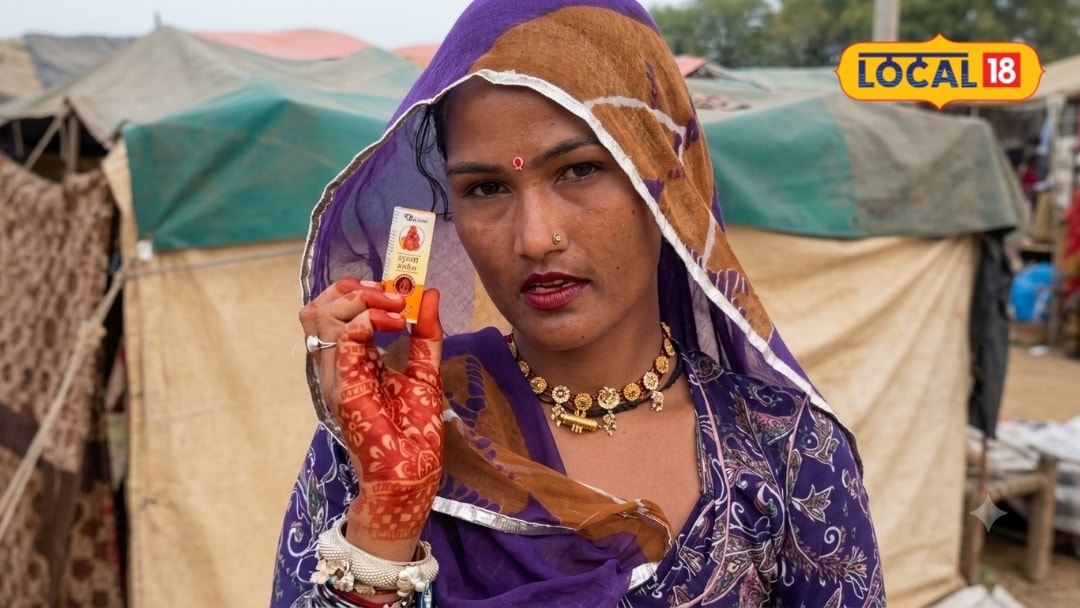
Suhila Sapera, a resident of Sikar in Rajasthan, has risen from a childhood spent in a cramped slum to become a nationally recognised artisan and social‑media influencer. Leveraging an ancestral skill taught by her grandfather, Shaukin Nath, she now manufactures the traditional herbal incense known as ‘Mamira’ and has amassed a following of 1.6 million users across multiple digital platforms. The surge in online visibility has turned a modest household craft into a cross‑border commercial venture, attracting orders from within Rajasthan, other Indian states and distant markets such as Australia, California, Dubai and Canada.
The craft of preparing Mamira is rooted in the Sapera community’s long‑standing relationship with herbal medicine and ritual incense. Historically, the preparation involved gathering locally sourced herbs, drying them, and grinding them into a fine powder that, when burned, releases a fragrant, soothing smoke used in religious and therapeutic contexts. Suhila learned the precise measurements, grinding techniques, and quality‑control practices directly from her grandfather, who was recognised locally for his expertise. This inter‑generational transmission of knowledge has preserved a cultural practice that otherwise faces erosion in the face of modernisation.
In practical terms, Suhila’s operation now processes several kilograms of dried herbs each week, packaging the final product in airtight containers to maintain potency during long‑distance shipping. While exact revenue figures are not disclosed, the scale of demand—spanning domestic states and four foreign regions—suggests a turnover that supports a small but growing workforce. The business employs her husband, two of her brothers, and a handful of local youths, thereby creating a micro‑enterprise that contributes to the household income of multiple families in the neighbourhood.
Community members and local traders have observed a noticeable shift in perception toward the Sapera craft. Vendors at the Sikar market report that customers now inquire specifically about Mamira’s provenance, often requesting the brand associated with Suhila’s name. While Suhila herself refrains from issuing direct quotations, she consistently emphasizes the importance of maintaining authentic preparation methods and the responsibility of passing the skill to younger generations. Local cultural activists have welcomed the heightened visibility, noting that the online platform serves as a modern conduit for preserving intangible heritage.
The ripple effect of Suhila’s success is palpable in the Kotputli‑Behror district, where many families share a cultural affinity with the Sapera tradition. The increased demand for Mamira has encouraged nearby artisans to revisit their own inherited recipes, fostering a modest revival of related herbal products. Moreover, the influx of income has enabled some households to invest in better housing, education for children, and improved health‑care access, thereby contributing to the district’s socio‑economic upliftment.
Local administration officials have taken note of the emerging market niche. The Kotputli‑Behror district office, in collaboration with the state’s Handicrafts Development Board, has expressed willingness to provide logistical assistance, such as facilitating bulk procurement of raw herbs and offering workshops on digital marketing. While no formal policy has yet been enacted, the authorities have pledged to monitor the sector’s growth and explore avenues for formal certification that could further enhance market credibility.
Looking ahead, Suhila plans to expand her product line to include complementary herbal wellness items, leveraging the same supply chain and brand reputation. She anticipates that, within the next two years, the business could double its export volume, provided that international regulatory requirements are met. Stakeholders, including local artisans and district officials, are hopeful that this model will inspire similar entrepreneurial ventures, thereby strengthening the region’s cultural economy and preserving traditional knowledge for future generations.