
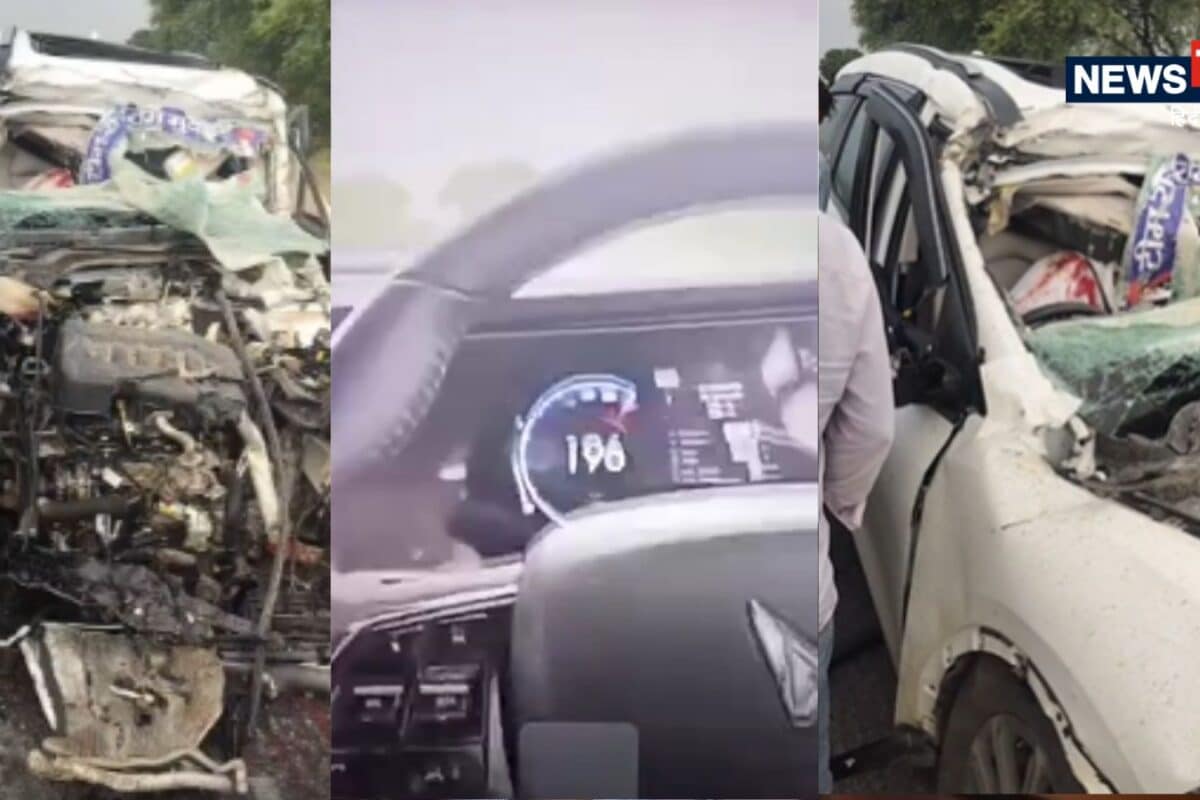
In a tragic incident that underscores the lethal consequences of reckless driving and digital distraction, a high-speed vehicular accident in the Tonk district claimed the life of a 41-year-old motorist. The fatal crash occurred near Polyada within the Duni area of Tonk, sending shockwaves through the local community and igniting urgent discussions regarding road safety and the dangerous obsession with social media validation while operating heavy machinery.
According to preliminary investigations and digital footprints left behind at the scene, the victim, identified as Rajaram Jat, was actively broadcasting a live video on his personal Facebook account while navigating the regional roadways. Modern digital culture often encourages constant connectivity, yet this tragic event illustrates the catastrophic price paid when motorists prioritize virtual engagement over fundamental physical survival and vehicular control.
Technical assessments of the digital broadcast recovered from the platform revealed terrifying statistics regarding the vehicle's velocity prior to the collision. At the time of the live streaming session, the speedometer and digital tracking indicators clearly demonstrated that the car was hurtling down the tarmac at an astonishing and perilous speed of 196 kilometers per hour, leaving virtually no margin for error or emergency braking.
Eyewitness accounts and local reports indicate that the sheer momentum and velocity of the vehicle rendered any recovery impossible when the vehicle inevitably lost control near Polyada. The impact was catastrophic, resulting in instantaneous fatal injuries to Rajaram Jat before emergency medical services or local residents could render assistance at the accident site in the Duni area.
The broader regional impact of this tragedy extends far beyond the immediate confines of the Tonk district, resonating deeply across neighboring communities including Kotputli-Behror. Families, civic leaders, and community elders are increasingly expressing deep concern over the normalization of extreme speed and the reckless exhibitionism prevalent among modern drivers seeking online attention.
Local law enforcement authorities and regional administrative bodies have consistently reiterated warnings against the perils of distracted driving, urging citizens to strictly adhere to statutory speed limits and traffic regulations. Administrative oversight and highway patrolling mechanisms are under renewed scrutiny to determine whether stricter enforcement can deter such fatal exhibitions of high-speed driving on rural and national highways.
As the community mourns the loss of Rajaram Jat, families and safety advocates are calling for comprehensive public awareness campaigns to educate younger generations about responsible internet usage and vehicular safety. The tragic events near Polyada serve as a grim reminder that digital broadcasts must never supersede human life, and that excessive speed on public thoroughfares remains an unyielding threat to public safety.