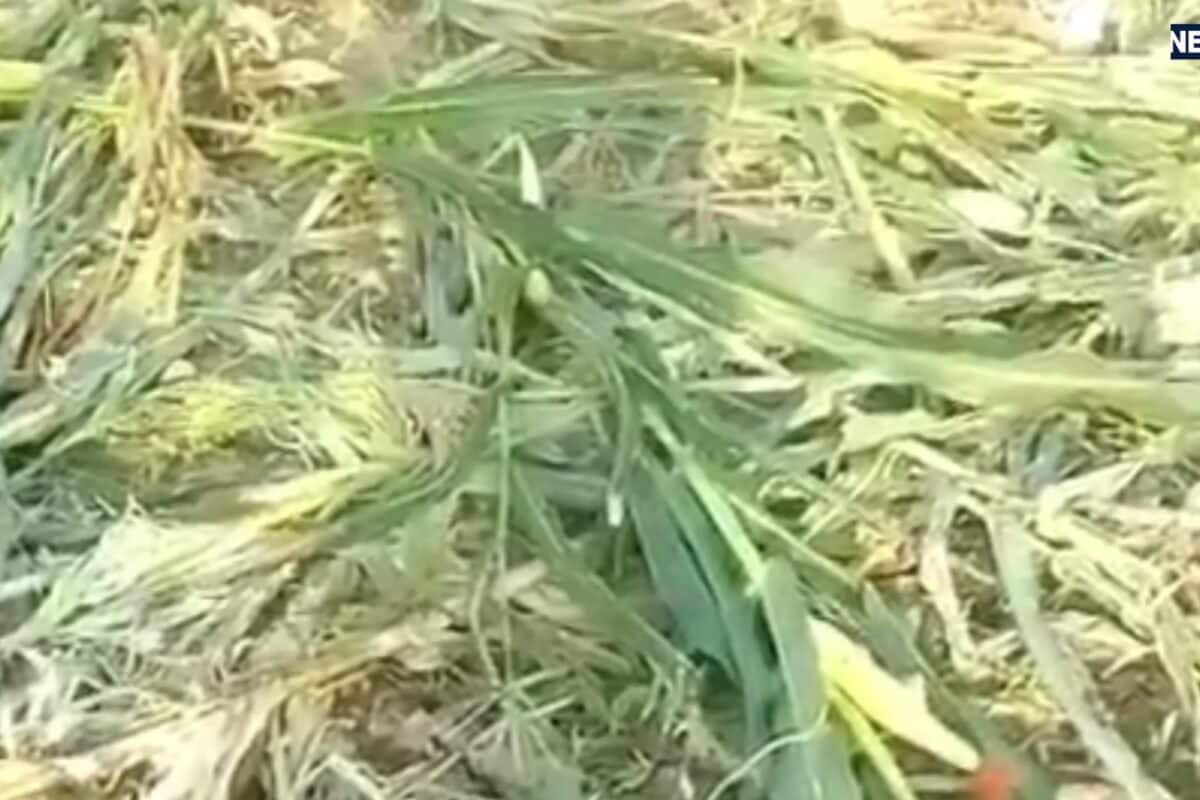
In the quiet agrarian landscape of Kanawas, located within the Bheem region of Rajsamand district, a profound agricultural crisis is unfolding as desperate farmers grapple with the relentless menace of wild boars. Over recent weeks, large herds of wild boars have increasingly ventured out of their natural habitats, directly breaching agricultural boundaries and descending upon cultivated farmlands. This escalating wildlife intrusion has transformed fertile fields into sites of widespread devastation, threatening the livelihoods of families who depend entirely on seasonal harvests for survival.
The underlying origins of this ongoing conflict trace back to shrinking natural foraging zones, changing ecological balances, and shifting wildlife dynamics across the rural belts of Rajsamand. As natural food sources dwindle in peripheral forests and scrublands, wild boars are naturally drawn toward human settlements and irrigated farmlands, where nutrient-rich crops offer an easy and abundant source of sustenance. This persistent overlapping of wildlife territories and agricultural lands has turned rural farming communities into direct frontiers of human-animal conflict.
Looking closely at the ground reality in Kanawas, the scale of destruction is both immediate and alarming. Farmers report that the wild boars do not merely feed on the vegetation; their aggressive collective foraging and trampling behavior completely flattens entire fields within a matter of hours. This wholesale destruction wipes out months of relentless physical labor, financial investments in seeds, fertilizers, and irrigation, leaving vulnerable cultivators with no marketable produce and mounting debts.
Amidst mounting despair, local cultivators and village representatives have raised their voices, articulating their grievances through formal appeals directed at the civil administration and the forest department. Stakeholders emphasize that the situation has crossed tolerable limits, demanding urgent preventive interventions rather than temporary solutions. Farmers are explicitly urging authorities to deploy specialized wildlife monitoring teams to drive the wild boars away from populated agrarian zones and secure vulnerable perimeter boundaries.
Beyond the immediate physical destruction of crops, the crisis carries severe multi-dimensional repercussions for the regional agricultural ecosystem and local economy. Farming families in the Bheem region are facing acute financial distress, which threatens household food security, the education of children, and the ability to service agricultural loans. The persistent fear of nocturnal and early morning attacks by wild boars has also fundamentally disrupted daily farming routines, instilling widespread anxiety among rural residents.
In response to these persistent community distress calls, eyes are firmly fixed on the local administration and the forest department to initiate statutory oversight and corrective measures. Citizens expect responsive governance involving structured assessments of crop damages, rapid deployment of forest personnel, and transparent administrative procedures. Accountability from the state apparatus remains critical to restoring order and reassuring the farming community that their grievances are being addressed with utmost urgency.
Looking ahead, the resolution of this crisis demands a coordinated, multi-pronged framework combining immediate field interventions with long-term ecological management. Villagers expect that the administration will swiftly conduct a comprehensive survey to accurately estimate agricultural losses and disburse appropriate financial compensation to affected farmers. Establishing a reliable protocol for continuous wildlife monitoring and rapid response will be indispensable to safeguarding future harvests and maintaining peaceful coexistence in Rajsamand.