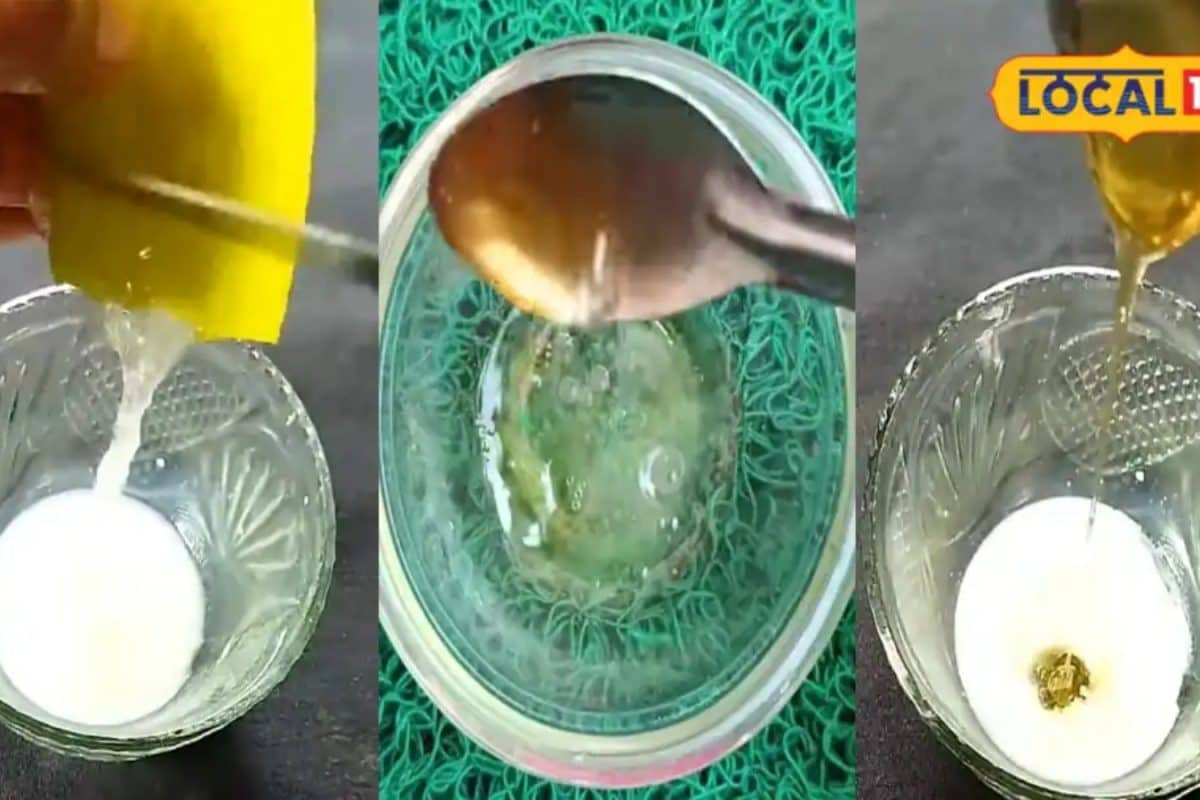
With the gradual onset of the winter season, dermatological health experts and wellness advisors have issued comprehensive guidelines regarding proactive skin care management. The transition from moderate weather to biting cold air triggers a rapid loss of natural moisture from the epidermis, making early intervention essential. Initiating protective measures at the very beginning of winter prevents the skin from becoming severely dehydrated, rough, and damaged as temperatures continue to plummet.
Historically, traditional household remedies have served as the cornerstone of winter skin maintenance across generations, long before the commercialization of synthetic cosmetics. These time-tested practices rely on pure, chemical-free kitchen ingredients that penetrate deep into the dermal layers. The historical preference for natural emollients stems from their proven ability to restore lipid barriers without causing adverse allergic reactions or skin irritations often associated with chemical-laden commercial lotions.
On the ground, medical observations indicate that neglect during the initial phase of winter directly correlates with severe chapping of the lips, deep cracking of the heels, and painful dryness on the cheeks and hands. Meteorological shifts cause humidity levels in the atmosphere to drop significantly, accelerating trans-epidermal water loss. Health advisors emphasize that relying on heavy petroleum jelly alone is insufficient; internal and external nourishment using organic substances is vital to combat the harsh environmental conditions.
Wellness practitioners and community health advocates strongly recommend incorporating nutrient-rich natural substances into daily routines. According to local health experts, applying fresh milk cream, pure honey, traditional clarified butter, and virgin coconut oil creates a protective lipid shield on the skin surface. These ingredients are packed with essential fatty acids, antioxidants, and vitamins that actively repair damaged skin cells and lock in deep moisture.
At the regional level within the district, households traditionally prepare for the harsh winter months by stocking up on pure mustard oil, desi ghee, and honey. The local community deeply values these indigenous self-care methods because they are economically accessible and culturally ingrained. Local markets witness an increased demand for natural oils and dairy-based products as families transition their seasonal wellness regimens to protect vulnerable members, particularly children and the elderly, from winter-induced skin ailments.
While commercial skincare brands aggressively market synthetic moisturizers during this period, medical professionals advocate for a balanced approach that prioritizes natural remedies. Public health campaigns conducted by regional wellness circles aim to educate citizens about the long-term benefits of chemical-free skin protection. Authorities and community leaders encourage residents to adopt sustainable, home-based skincare protocols to mitigate the physiological impacts of extreme cold weather.
Looking forward, as winter deepens across the region, maintaining consistency in daily skin care routines remains the primary recommendation from health experts. Public awareness initiatives will continue to promote natural hydration techniques through community workshops and informational advisories. By embracing these accessible preventive measures early in the season, residents can successfully safeguard their skin health and prevent severe dryness throughout the winter months.