
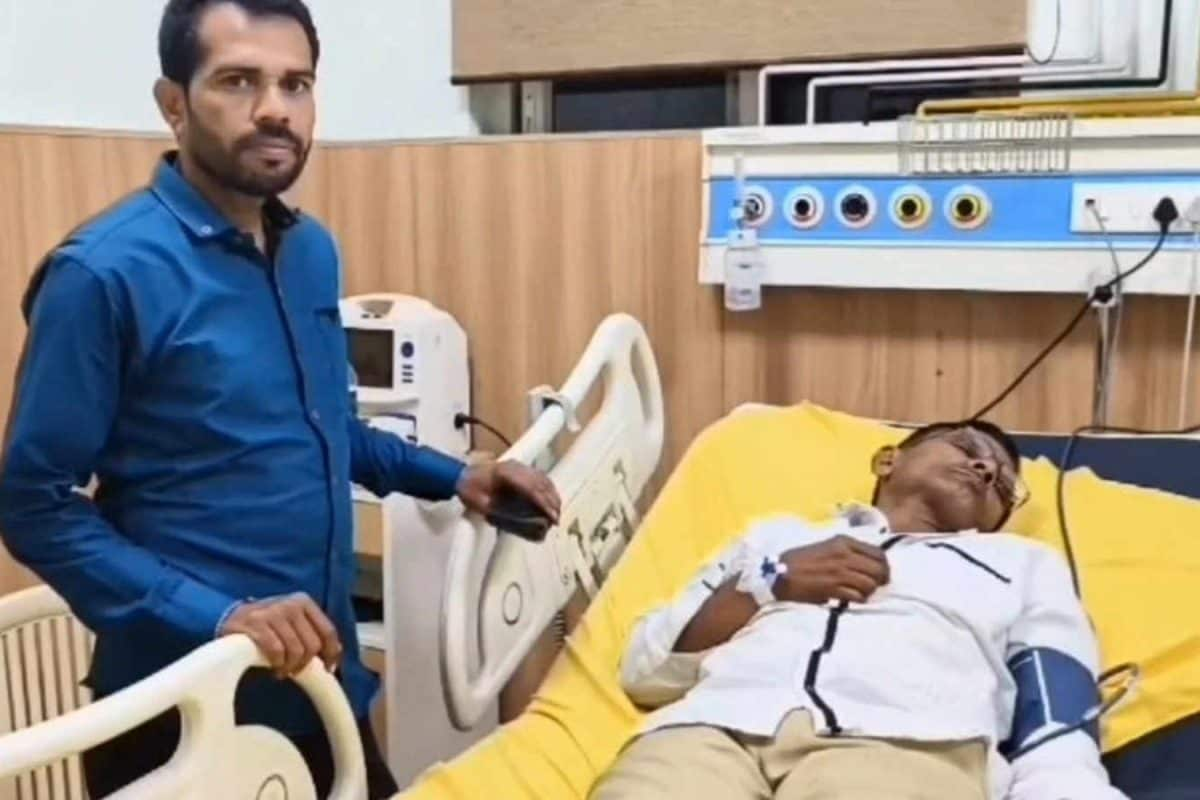
In an alarming display of administrative apathy within the Dungarpur district, the health and safety of a government employee were egregiously compromised. The incident centers on a local teacher who, despite battling a severe heart condition, was ordered by the district authorities to execute election duties. This decision has sparked widespread concern regarding the welfare mechanisms in place for government servants during high-stakes electoral processes.
The genesis of this crisis traces back to the systemic rigidity often observed in bureaucratic assignments. Prior to the commencement of the election duties, the afflicted teacher recognized the immense physical risk involved given his pre-existing medical vulnerabilities. Taking the proper administrative recourse, he submitted an official application to Additional District Magistrate (ADM) Prakash Raiger, explicitly detailing his critical heart ailment and pleading for an exemption from the rigorous electoral responsibilities.
However, despite the grave nature of the medical condition and the documentary evidence provided, the appeal was disregarded. ADM Prakash Raiger upheld the deployment, cementing a decision that placed bureaucratic requirements above basic human empathy and medical safety. The logistical pressure of managing election staff often leads to strict adherence to deployment charts, but in this specific instance, the failure to accommodate a life-threatening medical exception proved catastrophic.
The inevitable consequence of this administrative oversight manifested during the execution of the election assignment. Under the physical and mental stress of the duties, the teacher experienced a sudden and severe deterioration of his health. The acute medical emergency necessitated immediate intervention, plunging his colleagues and family into distress as the consequences of the disregarded warnings materialized on the ground.
Reflecting the broader regional implications, such administrative disconnects resonate deeply within government employee circles across Rajasthan, including districts like Kotputli-Behror. The incident has triggered serious discussions regarding the accountability of officials, specifically examining how administrative heads evaluate medical exemptions and emergency appeals from vulnerable personnel.
Prompted by the sudden medical collapse, emergency services rushed the ailing employee to the district hospital. Medical professionals immediately initiated critical care protocols to stabilize his condition. As of now, the teacher remains admitted under strict medical supervision at the district hospital, where continuous treatment is being administered to combat the cardiac complications triggered by the ordeal.
Looking ahead, this episode serves as a grim reminder of the urgent need for systemic reforms in how district administrations handle medical exemptions during high-pressure assignments. Stakeholders and employee unions are demanding a thorough review of the decision-making process led by ADM Prakash Raiger, while public expectations center on the implementation of empathetic and medically sound oversight to prevent such life-endangering negligence in future elections.
