
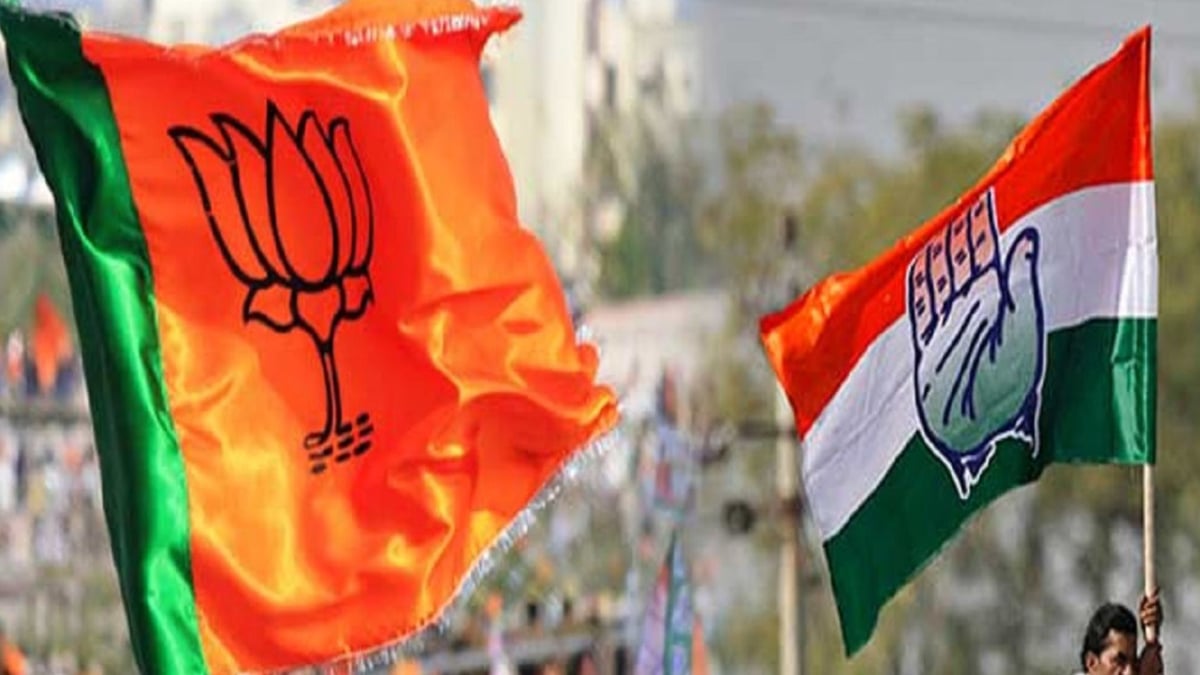
Recent political developments surrounding municipal nominations in Ajmer, Sirohi, Jhunjhunu, and several other urban bodies have sparked intense debate across the state regarding electoral strategies and administrative scrutiny. The Bharatiya Janata Party initiated a concerted move to challenge the nomination papers filed by Congress candidates, creating a high-stakes political atmosphere. This electoral maneuvering has drawn significant attention from political analysts, party workers, and local residents alike, questioning whether the tactical deployment of objections ultimately yielded the desired political advantage or resulted in unforeseen complications.
The historical context of municipal elections in Rajasthan demonstrates that nomination scrutiny periods are frequently utilized by major political parties as strategic battlegrounds to weaken opponents before polling even commences. In key areas including Ajmer, Sirohi, and Jhunjhunu, political rivalry often intensifies during the verification of nomination papers, where technical flaws, discrepancies in affidavits, or procedural lapses can become decisive grounds for rejection. Both the ruling establishment and the primary opposition parties maintain dedicated legal and administrative cells tasked with scrutinizing rival nomination papers meticulously, ensuring that every legal provision is invoked to secure an electoral edge.
As the scrutiny process unfolded across the designated municipal bodies, the direct confrontation centered heavily on the validity of documents submitted by Congress aspirants. The local administrative machinery and returning officers were tasked with adjudicating the formal objections raised by BJP representatives. While certain objections highlighted substantial legal or documentary discrepancies leading to the cancellation of candidacies in specific wards, numerous other challenges failed to withstand legal scrutiny and were promptly dismissed by the competent election authorities. The exact statistics of rejected versus validated nominations varied significantly across the different civic bodies, reflecting a mixed outcome for the contesting parties.
Key stakeholders from both political formations expressed sharp differences of opinion regarding the administrative outcomes of the scrutiny sessions. Congress leaders accused the opposition of employing pressure tactics and filing frivolous objections to harass legitimate candidates and subvert the democratic electoral process. Conversely, BJP representatives defended their actions as a legitimate exercise of statutory rights aimed at upholding electoral transparency, ensuring full compliance with election commission guidelines, and weeding out ineligible candidates who failed to disclose mandatory statutory information.
The ongoing political maneuvering at the municipal level exerts a subtle yet tangible influence on regional dynamics, particularly in administrative districts like Kotputli-Behror, where local political alignments and urban governance issues remain highly sensitive. Residents and local trade bodies closely monitor these preliminary electoral battles, recognizing that the composition of municipal boards directly impacts civic amenities, infrastructure development, and local taxation policies. The stability and integrity of the election process at the municipal level serve as a critical foundation for grassroots democracy and community trust.
Administrative authorities and election observers maintained strict vigilance throughout the nomination and scrutiny phases to ensure absolute neutrality and adherence to the statutory framework governing local body elections. Returning officers meticulously reviewed every contested nomination paper in the presence of authorized election agents, providing reasoned orders for both acceptances and rejections. This rigorous administrative oversight was designed to insulate the electoral machinery from partisan pressures and to maintain public confidence in the fairness of the impending municipal elections.
Looking ahead, the fallout from these nomination disputes is expected to cast a long shadow over the remainder of the election campaign across Ajmer, Sirohi, Jhunjhunu, and other affected urban bodies. Candidates whose nominations survived the scrutiny process are gearing up for intense grassroots campaigning, while those facing rejection explore legal remedies or alternative political strategies. As the electoral calendar progresses toward the final polling dates, the ultimate political beneficiary of these early tactical clashes remains a subject of intense public speculation and debate.