
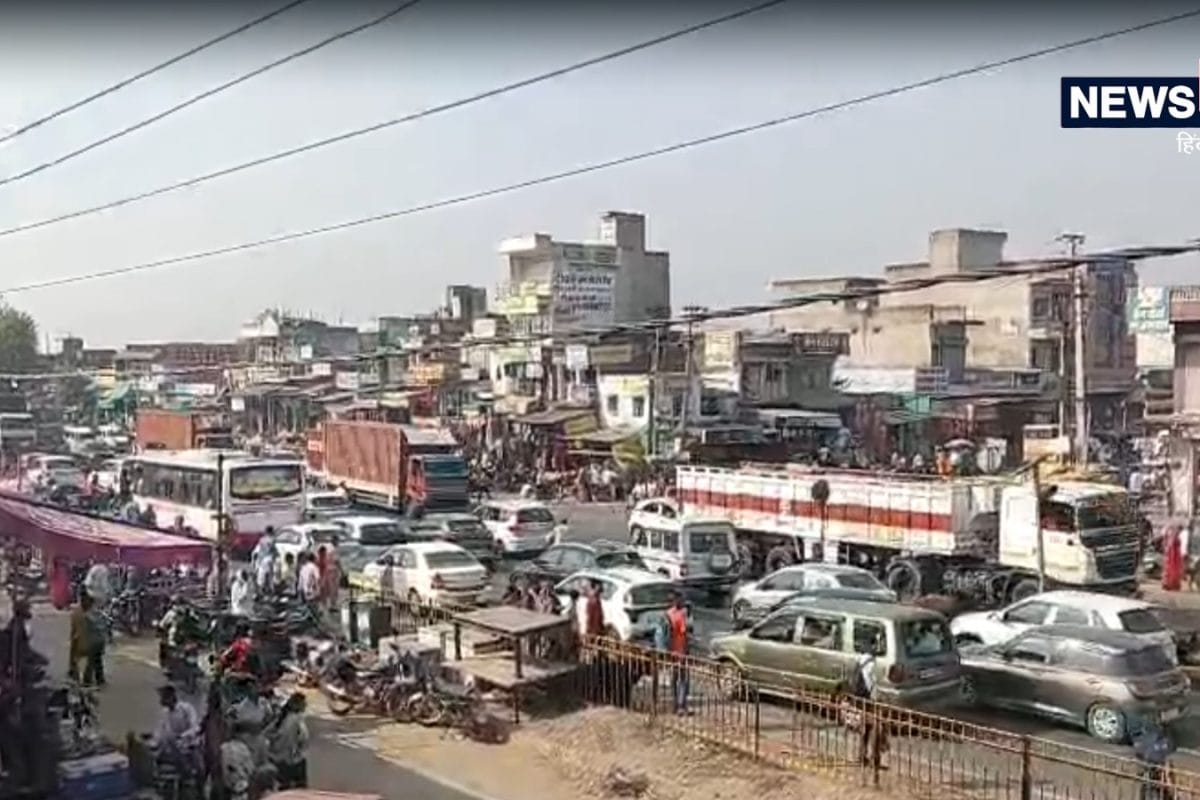
A severe and persistent traffic congestion crisis has gripped the vital transit intersection at Sikandra Chowk in Dausa, creating immense hardship for commuters, transport operators, and emergency services alike. Ever since the conclusion of the Diwali festival period, the flow of traffic through this heavily utilized junction has deteriorated significantly, resulting in agonizing delays for everyone attempting to navigate the area. The situation has severely impacted the daily routine of residents and long-distance travelers who rely on this critical route for their daily movement.
The epicenter of this mounting transportation crisis is situated along the bustling Jaipur-Agra National Highway-21, a major arterial route that connects key commercial and administrative regions. Historically, this junction experiences heavy vehicular movement, but the current escalation in traffic bottlenecks represents a sharp deviation from normal operational flow. The congestion pattern, which begins forming during the early morning hours, stubbornly persists throughout the entire day and continues well into late night, compounding the logistical challenges faced by transporters and daily commuters passing through the region.
On the ground, the reality of the situation is characterized by endless streams of vehicles stretching across the highway lanes, bringing smooth transit to a complete standstill. The vehicular speed through the Sikandra Chowk has dropped drastically as cars, commercial trucks, and buses struggle to find passage through the choked intersection. Motorists find themselves stranded at a single spot for extended durations, completely unable to maneuver their vehicles due to the dense volume of traffic converging from multiple directions simultaneously.
The most alarming aspect of this ongoing traffic gridlock is the catastrophic impact it inflicts on emergency medical transport services operating within the area. Critical healthcare logistics have been severely compromised as ambulances transporting patients in urgent need of medical attention find themselves hopelessly trapped within the dense queues. Emergency vehicle drivers report being stranded for upwards of 20 minutes at the Sikandra Chowk alone, raising grave concerns regarding delayed medical interventions and the potential risks posed to human lives during transit emergencies.
While the immediate disruption is centered directly upon the Dausa district, the ripple effects of the Sikandra Chowk congestion extend much further into the broader regional transportation network. The delays experienced on the Jaipur-Agra National Highway-21 disrupt the movement of commercial goods and passenger traffic destined for neighboring districts, creating a cascading economic and logistical burden. Local trade and commuter mobility within the wider territory are significantly constrained as transportation timelines go awry due to the unpredictable delays at this notorious bottleneck.
In response to the escalating public frustration and the clear dangers posed to emergency response times, local transportation authorities and traffic management departments face mounting pressure to implement effective remedial measures. Community members and stranded motorists are increasingly demanding active intervention, including the deployment of adequate traffic police personnel to manually regulate vehicle flow and clear unauthorized obstructions around the intersection during peak hours.
Looking ahead, stakeholders emphasize the urgent need for a comprehensive and sustainable traffic management plan for Sikandra Chowk to prevent a permanent breakdown of movement along the Jaipur-Agra National Highway-21. Unless proactive infrastructural adjustments and rigorous enforcement mechanisms are swiftly instituted by the concerned authorities, the public can expect these crippling delays to persist, further jeopardizing public safety and regional connectivity in the days to come.
