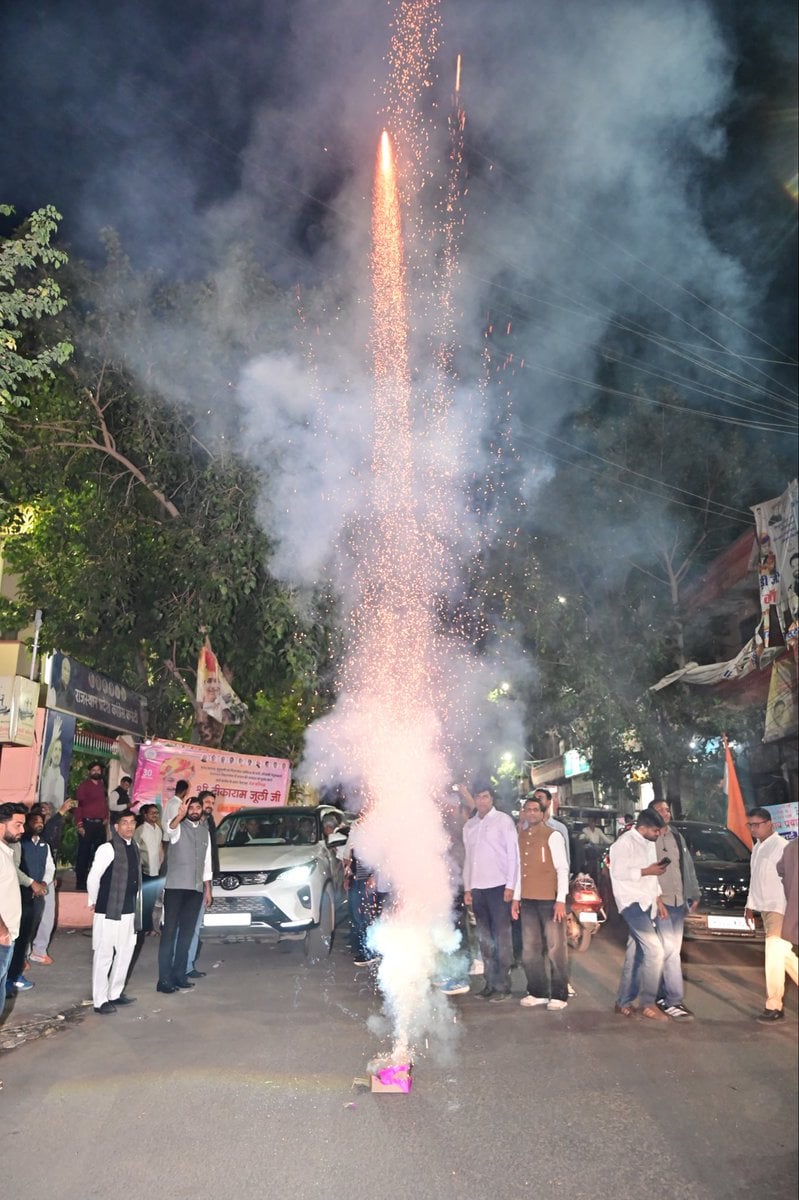
In a significant political development across Rajasthan, the Indian National Congress has delivered a stunning blow to the Bharatiya Janata Party by securing a commanding 24 seats in the intensely contested district pramukh elections. The electoral battleground witnessed fierce political competition, culminating in a decisive outcome that has substantially altered the immediate political equations within the state. Political analysts across the region have noted that these results reflect shifting dynamics among rural voters and local leadership networks.
The backdrop of these elections was marked by high political tension, intense campaigning, and strategic mobilization by both major political formations. Historically, district pramukh elections hold immense administrative and symbolic value in the governance architecture of Rajasthan, serving as a vital barometer for grassroots political influence. Both parties invested significant political capital into securing these positions, anticipating that the outcome would reverberate across state-level politics for the foreseeable future.
A critical analytical metric emerging from the electoral results is the notable tally of 24 seats won decisively by the Congress party. This specific statistical milestone not only surpassed initial projections in several districts but also exposed vulnerabilities within rival camps. Observers monitoring the ground reality reported intense logistical preparations, complex alliance negotiations, and relentless efforts by local party cadres to safeguard their respective vote banks during the polling process.
Interactions with political stakeholders, regional leaders, and community representatives highlighted the profound anxiety and high stakes involved in the electoral contest. While Congress leaders celebrated their hard-fought triumphs across multiple districts, BJP strategists faced rigorous internal questioning regarding their organizational preparedness. Citizens and local commentators expressed varied perspectives on how these elected district heads will navigate developmental priorities and administrative responsibilities in the coming tenure.
The ramifications of these electoral outcomes extend directly into the regional governance structures affecting Kotputli-Behror and surrounding districts. Local economic planning, rural development fund allocations, and infrastructure projects under district administration purview are bound to experience shifts aligned with the newly established political leadership. Communities within these regions are closely observing whether the change in district-level leadership will translate into accelerated public welfare initiatives and improved local governance delivery.
In response to the shifting political landscape, administrative machinery and statutory bodies have ramped up monitoring to ensure smooth transitions of power across all victorious districts. Officials emphasized strict adherence to electoral protocols, transparency in reporting, and the seamless handover of administrative responsibilities to the newly elected district pramukhs. Oversight measures remain robust to prevent any potential administrative friction during the assumption of office by the winning candidates.
Looking ahead, the political horizon in Rajasthan is charged with anticipation as the newly constituted district leadership prepares to take charge. The upcoming months will test the administrative acumen of the 24 Congress-backed district pramukhs as they address pressing regional concerns, fulfill electoral commitments, and manage local developmental agendas. Public expectations remain high, and political observers will monitor closely how both the victorious Congress party and the subdued BJP recalibrate their strategies ahead of future electoral cycles.