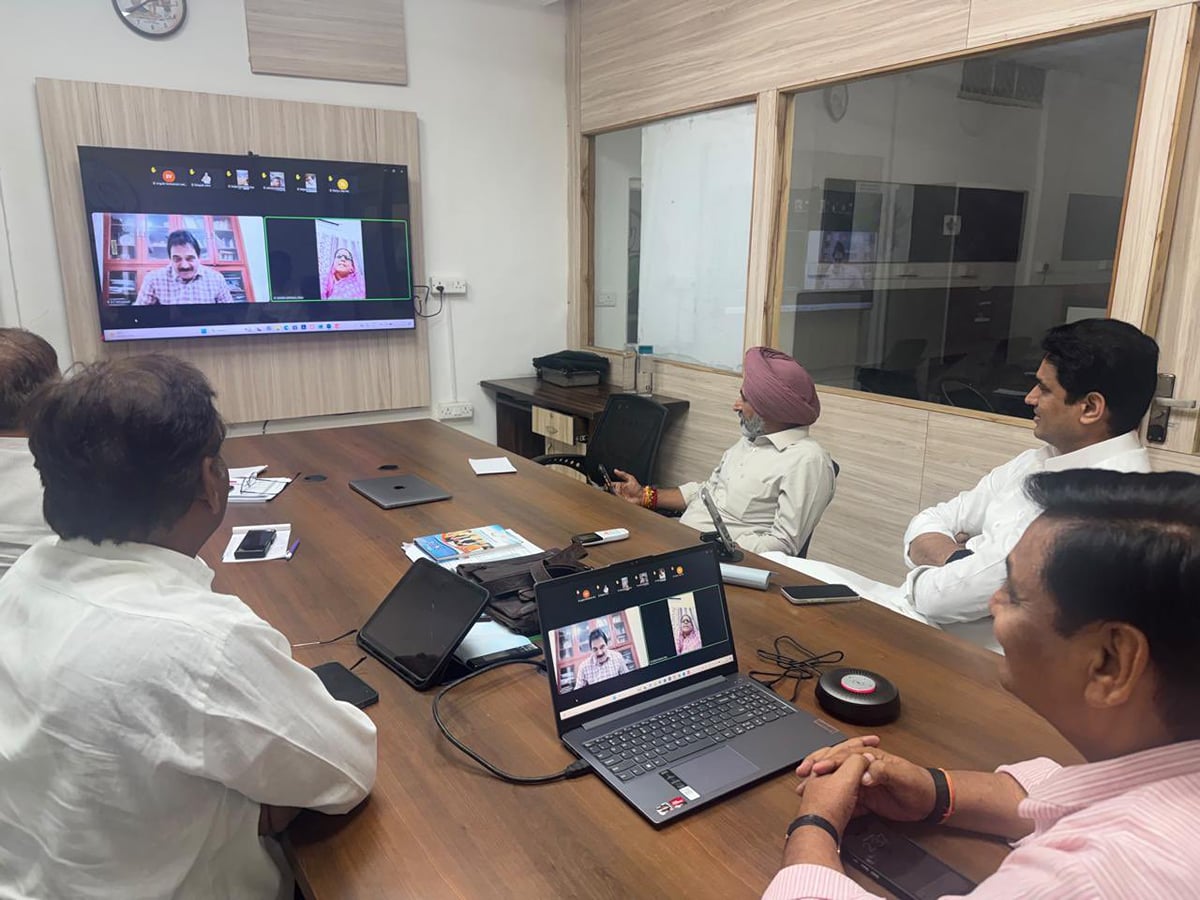
In the aftermath of the recent civic body elections across Rajasthan, the Indian National Congress has officially instituted a dedicated inquiry committee to thoroughly examine the unexpected circumstances that prevented the party from securing municipal boards in various regions despite holding a notable electoral advantage. The leadership has expressed grave concern over the disconnect between initial electoral gains and the ultimate failure to secure administrative power in crucial local bodies, prompting an immediate internal review.
The genesis of this investigative step lies in the complex political dynamics of Rajasthan, where local body elections often serve as a barometer for grassroots organizational strength and tactical execution. Historically, municipal governance represents the foundational tier of administrative influence, making the inability to convert electoral presence into actual board formation a matter of profound strategic failure for the party leadership at the state headquarters.
According to official directives issued by the party high command, the newly constituted inquiry panel is being led by prominent leader CP Joshi, who brings extensive administrative and organizational experience to the investigative process. The mandate given to the committee requires a meticulous examination of local candidate selections, campaign execution strategies, and potential internal dissent or sabotage by party members during the crucial post-poll maneuvering phases.
Political analysts and regional observers have highlighted that internal friction and lack of cohesive floor management frequently compromise the party's interests during mayoral and chairperson elections in Rajasthan. While the raw vote share and seat counts initially favored the Congress in multiple municipalities, subsequent political alignments and internal defections severely undermined their ability to cross the threshold required for board formation.
Within the local context of the Kotputli-Behror district and surrounding regional chapters, the outcome of these municipal contests holds significant resonance for grassroots workers and local traders who rely on stable municipal administration for civic development. A weakened political representation at the municipal level often translates to delayed infrastructure projects and administrative gridlock, affecting community welfare and local economic momentum.
As part of the institutional response, the administrative mechanism within the party is now focused on identifying systemic loopholes and individual accountability. The formation of the CP Joshi-led committee marks a direct attempt by the state leadership to project decisiveness, ensuring that disciplinary measures or structural reforms can be formulated based on empirical findings rather than mere speculation.
Looking ahead, all eyes are turned toward the impending submission of the inquiry findings, which are expected to be officially delivered within the strict timeline of seven days. The subsequent recommendations of this report will likely dictate the organizational overhaul and strategic realignment of the Congress party in Rajasthan, setting the stage for future electoral battles and internal disciplinary actions.