
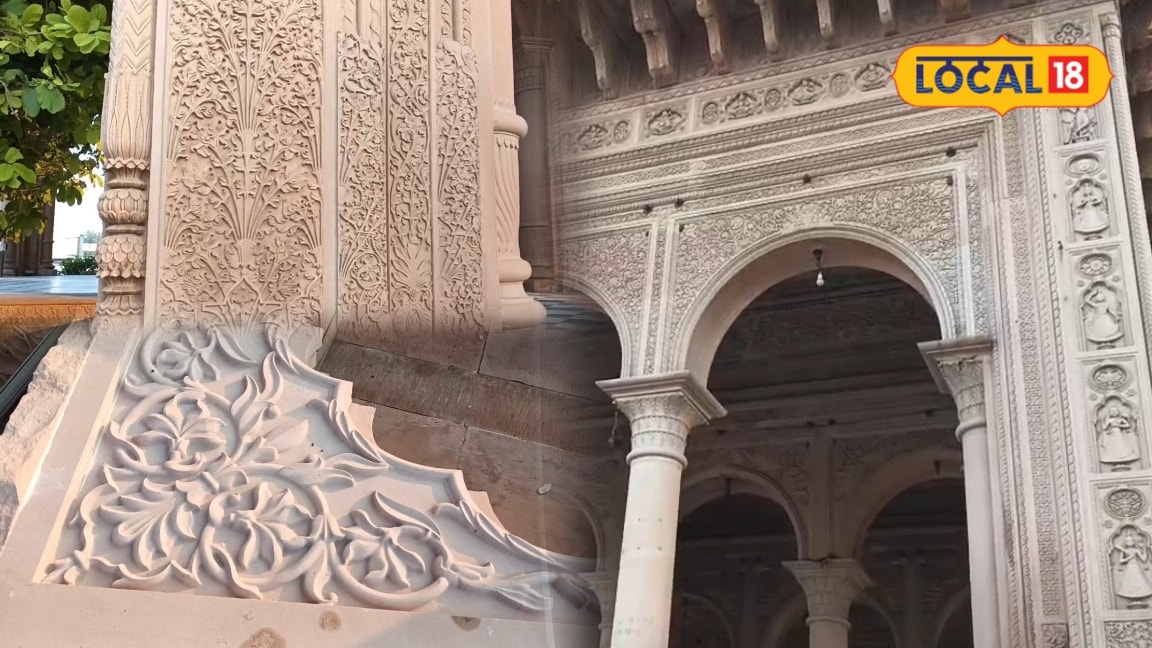
The historical temples situated in Bharatpur, Rajasthan, stand as magnificent testimonials to centuries-old artistic traditions, featuring exquisite Braj style stone carvings that captivate every observer. These architectural marvels reflect an era where craftsmanship was not merely a vocation, but a profound expression of devotion, culture, and aesthetic excellence. The meticulous attention to detail on the stone facades draws art enthusiasts, historians, and culture lovers from far and wide to witness the grandeur of these sacred sites.
Historically, the architectural evolution of the region was deeply influenced by the cultural synthesis of the Braj region, which extends its artistic footprints across local structures. The artisans of bygone eras employed sophisticated manual techniques to chisel hard stones into flowing motifs, delicate floral patterns, and majestic figurines. This distinct stylistic evolution has preserved the historical narrative of Bharatpur, making its temples vital repositories of indigenous art, heritage, and regional identity.
Examining the ground reality of these structural ornaments reveals an astonishing level of precision where craftsmen ensured that every single millimeter of the stone conveyed aesthetic perfection. The intricate details engraved on the pillars, walls, and sanctums highlight the sheer dedication required to transform raw blocks of stone into living canvases. Every carved petal, vine, and geometrical symmetry was executed with a profound understanding of stone behavior and structural longevity, ensuring these carvings withstand the test of time.
Local cultural preservationists, temple custodians, and heritage experts frequently emphasize the irreplaceable value of these architectural assets. According to community stakeholders, maintaining and appreciating these ancient structural marvels is essential for educating future generations about indigenous artistic capabilities. Observers note that the traditional methods passed down through generations represent an invaluable intangible cultural heritage that deserves sustained preservation efforts by both public and private entities.
While the immediate concentration of these architectural wonders remains centered in Bharatpur, their broader cultural resonance extends across the neighboring districts and the wider administrative boundaries of Rajasthan. The appreciation of Braj style craftsmanship fosters cultural tourism, encouraging visitors to explore the intricate artistic expressions embedded within local religious architecture. This steady influx of culture enthusiasts positively influences the local economy and community engagement with historical preservation.
Administrative bodies, cultural departments, and heritage conservation committees play a crucial role in overseeing the structural upkeep of these ancient shrines. Measures are continuously evaluated to protect these historical surfaces from environmental degradation, pollution, and weathering effects. Expert conservators collaborate with local authorities to ensure that restoration methodologies respect the original architectural integrity without compromising the historical authenticity of the stone carvings.
Looking forward, the preservation framework for Bharatpur's temples involves enhanced documentation, digital archiving, and specialized maintenance protocols to safeguard the intricate stone works for posterity. Public awareness campaigns and educational workshops are anticipated to bolster community involvement in heritage protection. Through coordinated administrative vigilance and sustained public appreciation, these architectural treasures will continue to narrate the glorious legacy of Rajasthani craftsmanship for generations to come.
