
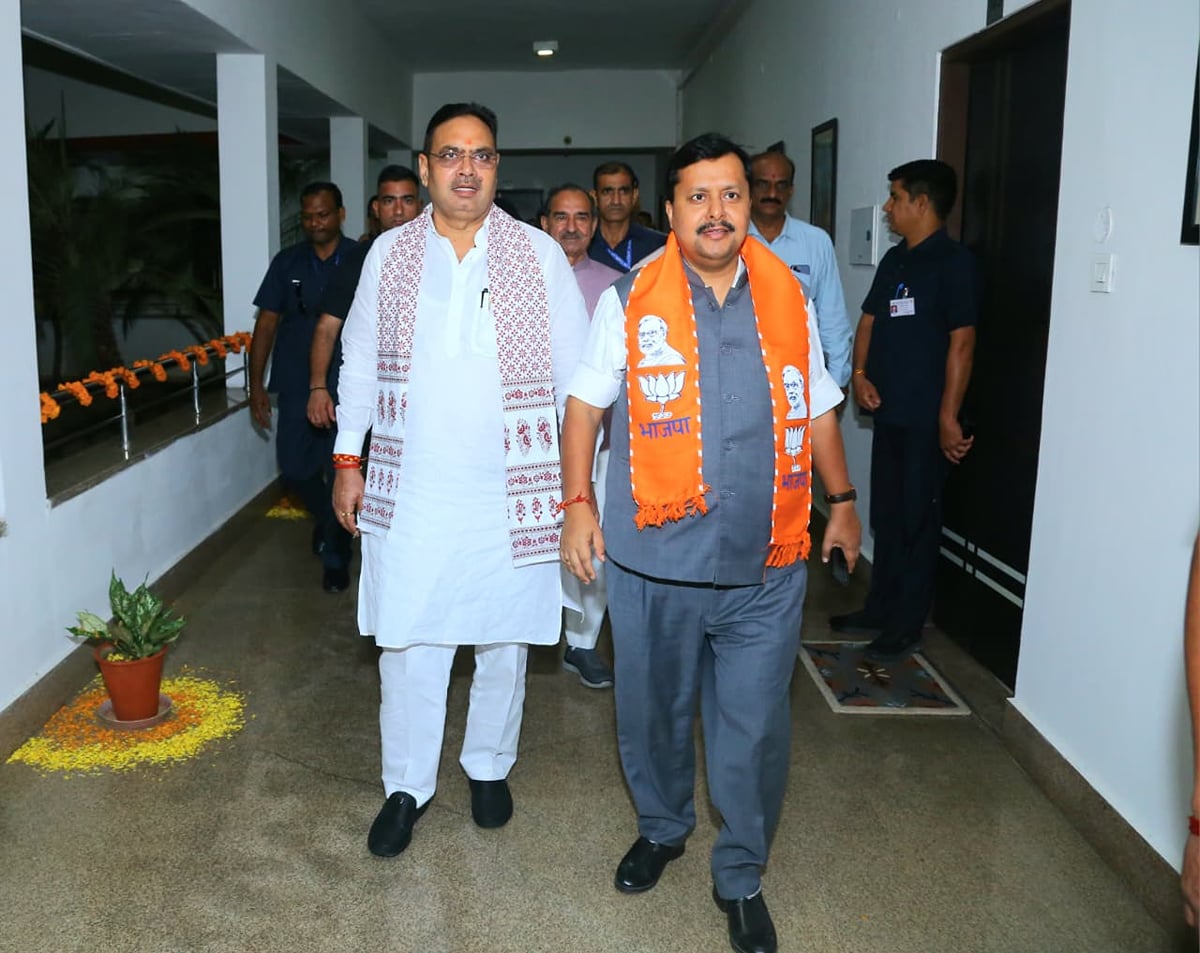
Following the conclusion of recent municipal elections, the Bharatiya Janata Party has swiftly redirected its organizational machinery toward the upcoming rural grassroots elections. The political landscape in the region is witnessing heightened activity as party leadership establishes a comprehensive blueprint for strengthening its presence across village councils and district panchayats.
Historically, rural electoral battles serve as the foundational bedrock for political supremacy in the state, bridging national policies with grassroots community governance. Building upon the momentum generated during the preceding urban body polls, the party leadership aims to consolidate its electoral gains and address any operational gaps identified in previous campaigns.
As part of this aggressive strategic push, a notable logistical deployment involving exactly ninety specialized campaign chariots is being launched from Jaipur today. These mobile information units are equipped with multimedia publicity material designed to disseminate governance achievements and policy agendas directly to rural electorates.
Key organizational stakeholders, elected representatives, and district-level cadres have converged in Jaipur to participate in the high-level brainstorming sessions. Discussions during these deliberations center on candidate selection criteria, booth-level management, and countering opposition narratives in remote rural constituencies.
The strategic outcomes of these deliberations hold significant regional implications for districts such as Kotputli-Behror, where rural development policies and local infrastructural projects directly influence agrarian communities and local economies. Strengthening grassroots representation remains a pivotal objective for both political administrators and local community leaders.
Concurrently, administrative authorities and election watchdogs are maintaining rigorous oversight to ensure that the political mobilization aligns with established statutory guidelines and model code of conduct protocols. Official machinery continues to monitor public gatherings and logistical rollouts to maintain absolute transparency and order.
Looking ahead, the formal rollout of the ninety campaign chariots marks the commencement of an intensive electoral campaign cycle across the state. Public expectations remain focused on how effectively these political strategies will translate into grassroots developmental commitments and transparent local governance.