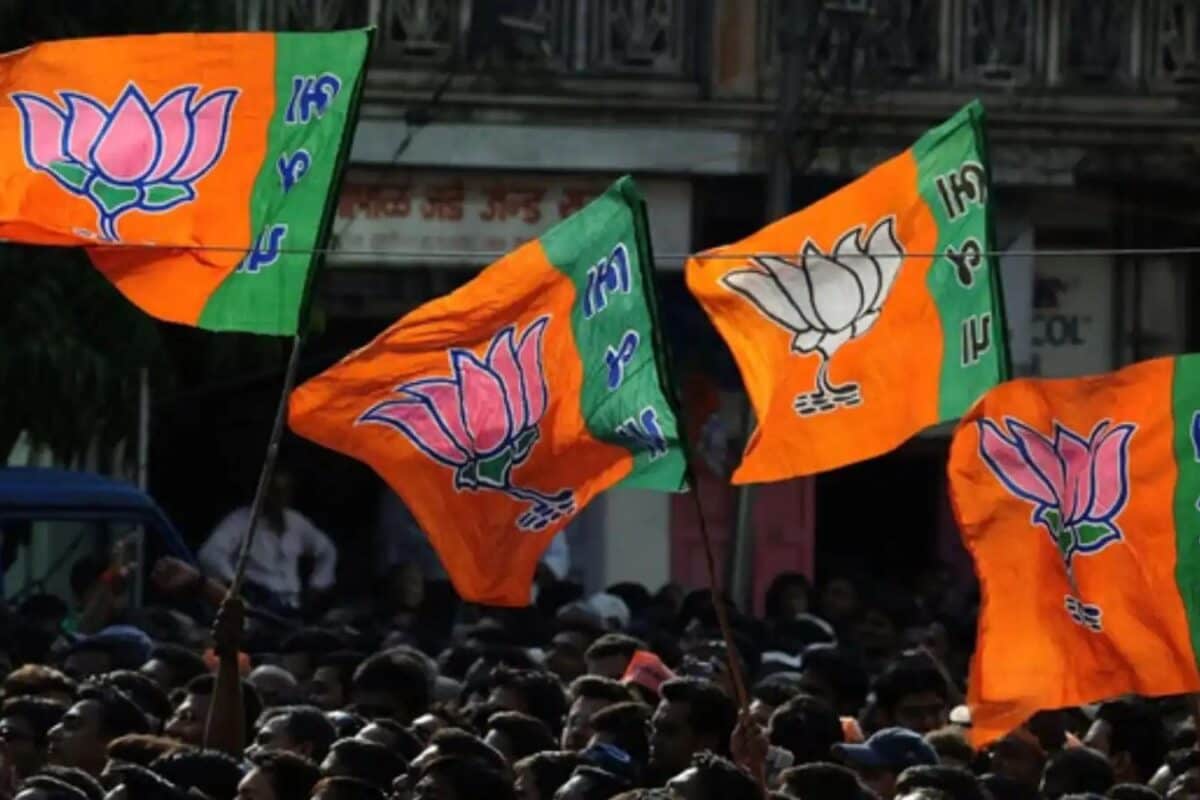
In a high-stakes political development monitored closely by the Kotputli Bureau, the Bharatiya Janata Party (BJP) recorded a decisive and one-sided victory in the Jaipur Municipal Corporation Deputy Mayor election held on September 28, 2026. BJP candidate Saroj Kanwar triumphed over Congress candidate Salman Mansouri by an impressive margin of 31 votes, cementing the party's dominance within the municipal body. The comprehensive triumph triggered enthusiastic celebrations across the party camp as election officials officially declared the final results.
This high-profile electoral contest stems from long-standing political dynamics and administrative necessities within the urban local body of Rajasthan. The position of Deputy Mayor carries immense responsibility regarding urban planning, civic amenities, and local governance oversight in the capital region. Over the past several legislative terms, the political equations within the municipal corporation have witnessed intense competition between major national and regional political parties, making every mayoral and deputy mayoral contest a critical indicator of grassroots political influence.
According to ground details reported by election observers, the poll witnessed exceptionally high participation, reflecting the gravity of the political stakes involved. Out of the total 150 registered councillors eligible to vote in the corporation, an overwhelming 149 councillors actively exercised their franchise within the municipal premises. The meticulous counting of votes revealed a clear mandate in favor of the BJP candidate, showcasing strong internal cohesion and effective strategic coordination among the ruling party councillors during the secret ballot process.
Local stakeholders, municipal representatives, and community leaders highlighted ongoing ground realities and the importance of stable civic administration following the declaration of results. Representatives noted that municipal governance directly impacts urban infrastructure, sanitation, waste management, and public welfare schemes across various municipal wards. The decisive victory is perceived by local observers as a mandate for accelerated developmental initiatives and smoother administrative functioning within the municipal limits.
The political reverberations of this urban election extend beyond the immediate boundaries of Jaipur, significantly influencing the broader sociopolitical landscape of Rajasthan, including the Kotputli-Behror district. Regional commercial bodies, community associations, and local residents keenly observe municipal power shifts, anticipating smoother policy implementation and enhanced allocation of developmental funds for infrastructure projects connecting rural and urban sectors across the region.
Following the conclusion of the polling process and the formal declaration of results, administrative authorities and municipal officials ensured that all statutory guidelines, security protocols, and procedural norms were strictly adhered to. The municipal commissioner and election returning officers oversaw the peaceful transition of responsibilities, maintaining absolute transparency and institutional integrity throughout the high-tension electoral exercise.
Looking ahead, the newly elected Deputy Mayor, Saroj Kanwar, along with the municipal leadership, faces a structured timeline of urban development projects and administrative responsibilities. Public expectations remain notably high regarding prompt resolution of civic grievances, modernization of municipal infrastructure, and improved public service delivery. The upcoming municipal board meetings are expected to outline prioritized agendas focusing on sustainable urban growth and transparent governance for the citizens of Rajasthan.