The Bharatiya Janata Party has officially entered an alert and high-priority mode across Rajasthan in anticipation of the upcoming panchayat elections, which are expected to be announced imminently. Following their remarkable performance in recent municipal and civic body elections, the ruling political machinery is leaving no stone unturned to secure a dominant victory at the grassroots level. Senior organizational leadership has devised a comprehensive operational blueprint designed to activate party cadres across every corner of the state without delay.
Historically, panchayat elections in Rajasthan serve as the fundamental bedrock of rural governance and political influence, determining the pulse of the agrarian population and semi-urban communities alike. The upcoming electoral battleground holds immense significance for all major political parties, as rural mandates traditionally dictate the trajectory of state-level political supremacy. Recognizing the high stakes involved, the party high command has resolved to address potential organizational gaps and streamline campaign execution well ahead of the formal announcement by the election commission.
As part of this aggressive political outreach, senior party stalwarts have chalked out an intensive itinerary spanning across 25 administrative districts in the state. The entire campaign schedule is compressed into a crucial three-day window, commencing formally from September 30 and concluding on October 2. This targeted approach ensures rapid mobilization of human resources and immediate alignment of local leadership with the overarching electoral strategy formulated at the state headquarters.
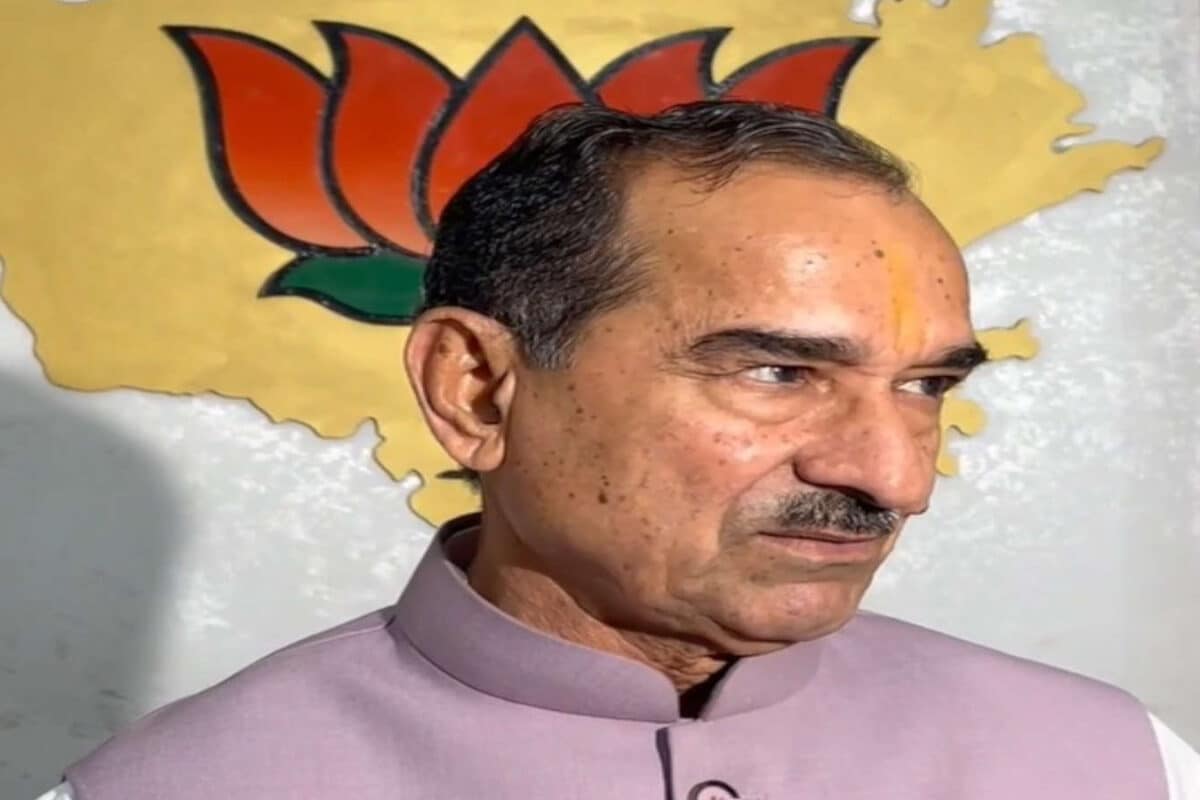
At the forefront of this statewide mobilization are prominent leaders, including party state in-charge Sanjay Bhatia and state president Madan Rathore, who will personally spearhead the district-level dialogues. These senior figures are scheduled to interact directly with local party functionaries, booth-level coordinators, and dedicated grassroots workers to evaluate ground-level preparedness. By listening to grassroots concerns and directly communicating the election management blueprint, the leadership aims to foster absolute unity and unwavering determination among party ranks.
The regional impact of this extensive outreach is anticipated to resonate deeply across rural constituencies, particularly affecting local economies, administrative governance, and community dynamics. Panchayat elections invariably stimulate intense local political engagement, community debates, and developmental planning at the village level. The proactive involvement of top-tier state leadership signals to rural constituents that the party places paramount importance on grassroots empowerment and decentralized administrative accountability.
From an administrative standpoint, local election authorities and district governance machinery are simultaneously reviewing logistical arrangements, voter list revisions, and polling station security protocols in anticipation of the official poll notification. While state leadership focuses on political mobilization, government functionaries remain tasked with ensuring a free, fair, and transparent electoral process that complies strictly with statutory guidelines and constitutional mandates.
Looking ahead, the successful execution of this three-day, 25-district campaign will set the definitive tone for the remainder of the electoral season. Party strategists expect that this early momentum will translate into robust grassroots participation, streamlined candidate selection, and ultimately a sweeping electoral triumph across the rural landscape of Rajasthan in the impending panchayat polls.