
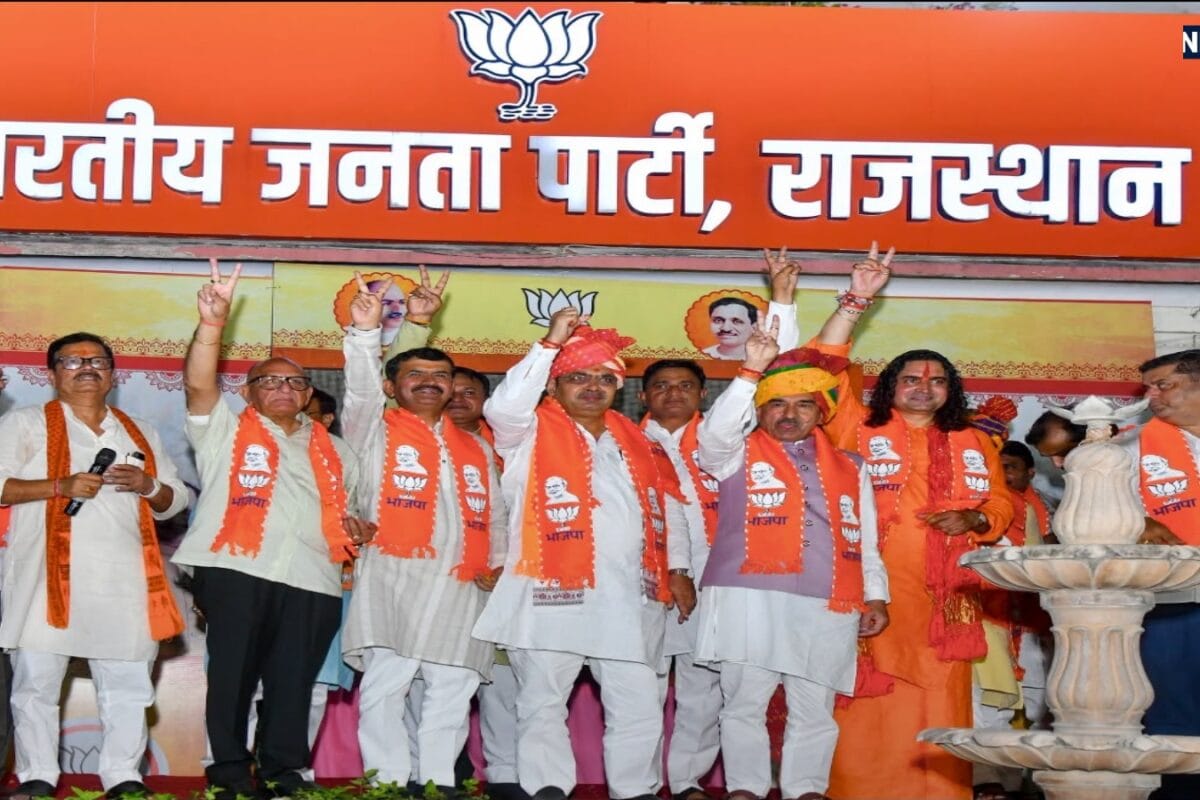
In a decisive political development across Rajasthan, the results for the urban local body chiefs were officially declared on Monday, 2026, marking a monumental shift in local governance. The Bharatiya Janata Party (BJP) demonstrated an overwhelming electoral dominance by securing a resounding 200 boards out of the total 309 municipal bodies contested across the state. This comprehensive mandate underscores a profound consolidation of grassroots political support for the ruling formation, setting a robust administrative tone for municipal governance in the upcoming term.
The electoral landscape leading up to these crucial results was shaped by intensive campaigns, vigorous grassroots mobilization, and shifting political dynamics across various municipal councils and corporations. Local body elections in Rajasthan have historically served as a critical barometer for state-level political sentiment, bridging the gap between urban citizenry and legislative policymaking. Analysts and political observers noted that the 2026 municipal polls witnessed unprecedented voter engagement, driven by debates centered around local infrastructure development, civic amenities, and urban modernization initiatives.
A granular analysis of the statistics released following the Monday announcement highlights a staggering disparity in the electoral fortunes of the competing political entities. Out of the 309 municipal bodies evaluated, the BJP's tally soared to 200 boards, reflecting a widespread geographical penetration. Conversely, the principal opposition party, the Congress, faced a historic rout, remaining confined to a modest total of 94 boards statewide. The numerical breakdown illustrates a severe erosion of traditional stronghold areas for the opposition, leaving local party leadership grappling with profound strategic introspection.
Stakeholders across the political and civic spectrum have expressed diverse viewpoints regarding the implications of these election outcomes. Local business leaders, urban planners, and community representatives emphasize that municipal stability is paramount for the timely execution of developmental projects, sanitation drives, and commercial zoning policies. While victorious party workers celebrated the landmark victory with festive fervor across numerous district headquarters, opposition representatives voiced concerns over maintaining effective checks and balances within local urban governance frameworks.
The regional impact of these municipal elections extends deeply into the socio-economic fabric of various districts, influencing resource allocation and administrative efficiency. In regions where a single party has secured total dominance, local chambers of commerce and civic bodies anticipate streamlined decision-making processes for urban renewal programs. Conversely, in districts witnessing severe political polarization or complete marginalization of opposition representation, community leaders stress the necessity of inclusive governance that transcends partisan boundaries to address pressing local grievances.
Administrative authorities and election commissioners have initiated the formal procedures required for the peaceful transition of power and the swearing-in of newly elected municipal chiefs. District administrations across the state are currently finalizing logistical arrangements to ensure that the newly constituted municipal boards assume their official responsibilities without administrative delay. Bureaucratic oversight mechanisms have been reinforced to monitor compliance with municipal election codes and to facilitate transparent coordination between state-level urban development departments and local municipal commissioners.
Looking toward the immediate future, the newly elected leadership faces immense public expectations regarding infrastructural overhaul, tax rationalization, and the enhancement of public utility services. The timeline for the upcoming municipal council sessions includes drafting comprehensive fiscal budgets, prioritizing ward-level development works, and addressing long-pending civic complaints. As the dust settles on the 2026 urban body elections, the citizens of Rajasthan look forward to a renewed era of responsive municipal administration capable of addressing the multifaceted challenges of rapidly growing urban centers.