
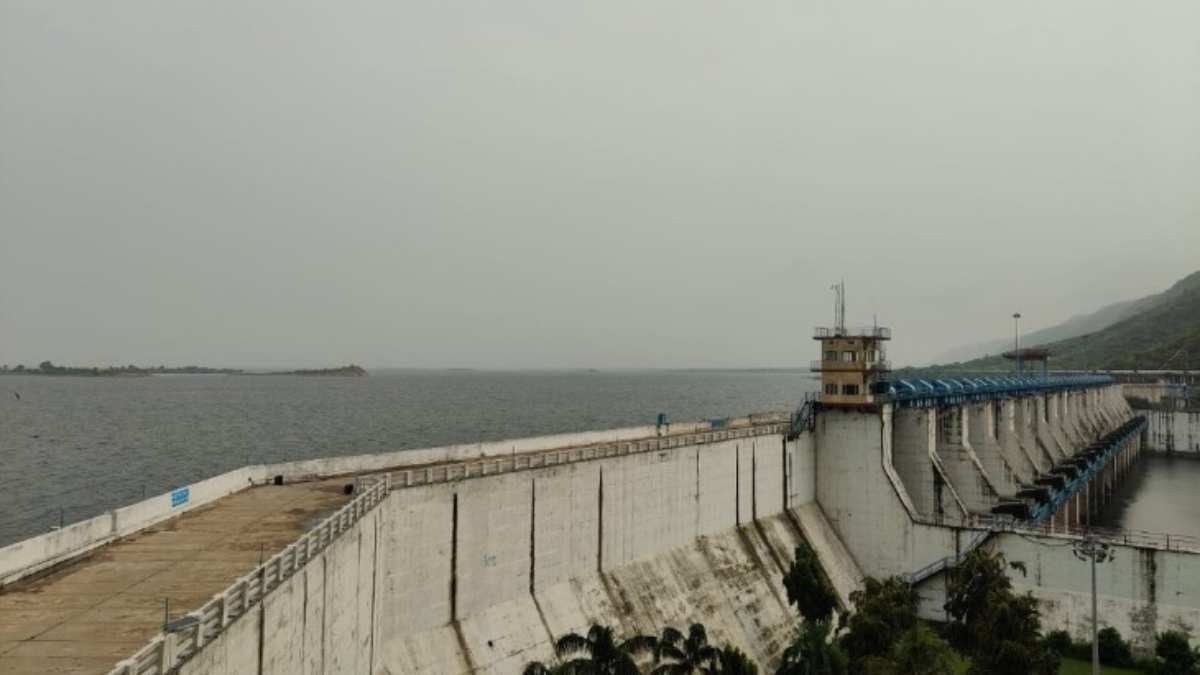
In a significant development for water resource management in Rajasthan, the crucial Bisalpur Dam has recorded a slight yet notable increase in its water level following heavy spells of rainfall across several parts of the region. The dam, which functions as the absolute lifeline and primary source of drinking and irrigation water for the districts of Tonk, Jaipur, and Ajmer, saw its water gauge tick upward after a prolonged dry spell that had caused widespread anxiety among local communities and administrative planners alike.
Historically, the Bisalpur Dam has stood as a monumental infrastructure project commissioned to combat the severe and recurring water scarcity challenges inherent to this semi-arid region of Rajasthan. Over the decades, the catchment areas spanning across multiple districts have dictated the fortunes of millions of residents, farmers, and urban households who depend entirely on its timely replenishment during the monsoon and seasonal weather cycles.
According to official observations and hydrological data gathered from the site, the water level in the reservoir has increased by exactly one centimeter, bringing the cumulative reading to 314.05 RL meters. While a single-centimeter increment may appear modest to an outside observer, hydrological experts emphasize that even a fractional positive movement during lean periods represents a critical psychological and physical turning point against depleting reserves.
Local stakeholders, including agricultural representatives, municipal water supply operators, and urban consumers across Tonk, Jaipur, and Ajmer, have expressed cautious optimism regarding this recent meteorological shift. The heavy rainfall reported across various sub-divisions and catchment pockets has not only replenished local ponds and rivulets but has also marginally improved the inflow dynamics into the massive reservoir structure.
The regional implications of this water level fluctuation extend deeply into the socio-economic framework of the surrounding districts, directly influencing everything from domestic tap water schedules to agricultural planning for the upcoming crop seasons. Communities residing within the command areas have long understood that every single measurement mark on the gauge of the Bisalpur Dam translates directly into days of assured water security.
Administrative authorities and engineers stationed at the Bisalpur project site continue to maintain a round-the-clock vigil, monitoring rainfall distribution across catchment zones and analyzing inflow rates against anticipated consumption demands. District administrations in Tonk, Jaipur, and Ajmer remain in constant coordination with water resource department officials to ensure equitable distribution and stringent conservation protocols.
Looking toward the horizon, water resource planners are maintaining a vigilant stance, hoping that subsequent weather systems will bring additional precipitation to further fortify the storage capacity of the dam. As citizens across the beneficiary districts monitor the daily bulletins, the slight upward tick to 314.05 RL meters serves as an encouraging sign of resilience against ongoing climatic uncertainties.