
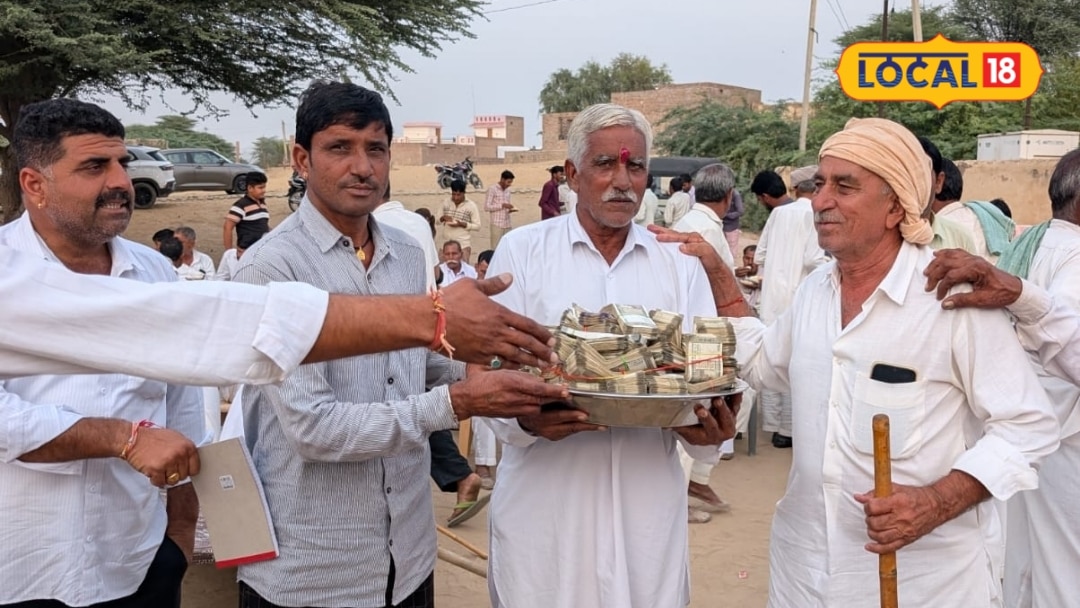
In an extraordinary demonstration of unity that rises far above the traditional divisions of electoral victories and defeats, the residents of Kakarwala village located within the Lunkaransar Panchayat Samiti of Bikaner district have established a profound precedent for grassroots democracy. Rather than allowing the divisive nature of local political contests to fracture community bonds, the populace chose to celebrate collective harmony and mutual respect. This inspiring development has captured the attention of observers across the entire region, turning a standard post-election narrative into a powerful study of social solidarity.
The roots of this unprecedented gathering lie in the recent local self-government elections, which frequently witness intense rivalries and temporary social fractures within rural jurisdictions. In many instances, the conclusion of a democratic contest leaves behind lingering animosities between competing factions and supporters. However, the residents of Kakarwala village consciously decided to reject this conventional outcome. Recognizing the dedication and community spirit demonstrated by sarpanch candidate Anita during her electoral campaign, the populace resolved to honor her public service regardless of the final ballot count.
At the center of this remarkable civic felicitation was a grand financial support garland valued precisely at 37.52 million rupees, or 37 lakh 52 thousand rupees in local fiscal terms. This staggering monetary tribute was collaboratively organized and presented to Anita through the joint efforts of the village residents and the esteemed Kison Punia family. The sheer scale of the financial backing symbolized not merely a campaign contribution, but a robust collective investment in the social capital and future leadership potential recognized within the candidate.
Throughout the ceremonial proceedings, community elders, prominent local figures, and enthusiastic supporters gathered to voice their perspective on the evolving political culture. Speakers emphasized that electoral victories and defeats are transient phases of a democratic system, whereas community cohesion and mutual brotherhood remain permanent foundations of rural life. By channeling substantial financial support into a public display of solidarity, the participants demonstrated that dedicated public service commands enduring respect that transcends the mechanical counting of votes.
The resonance of this event extends well beyond the immediate boundaries of Kakarwala village, offering a refreshing template for civic engagement across the wider region. In communities where political polarization often threatens local stability, the proactive stance taken by the Kison Punia family and the local populace serves as an instructive model. Observers note that such gestures help heal political wounds rapidly, ensuring that developmental discourse and cooperative village administration can resume without the deadweight of lingering electoral bitterness.
From an administrative and institutional standpoint, such community-led initiatives highlight the profound strength of informal social structures in rural governance. While statutory bodies and election commissions manage the rigid mechanics of voting and result declaration, the ultimate health of a democratic society relies heavily on the voluntary capacity of citizens to maintain peace, dignity, and mutual regard. Local administrative officials have privately acknowledged that strong community bonds significantly ease developmental implementation by minimizing factional resistance.
As Kakarwala village moves forward from the turbulence of the recent election cycle, the collective action executed under the leadership of the community and the Kison Punia family leaves a lasting legacy. The memory of the 3.75 million rupee garland will undoubtedly remain a defining milestone in local political folklore, reminding future generations that true leadership is measured by community trust and affection rather than merely holding an official title. Public expectations remain high that this spirit of unity will continue to guide local developmental initiatives in the times ahead.
