
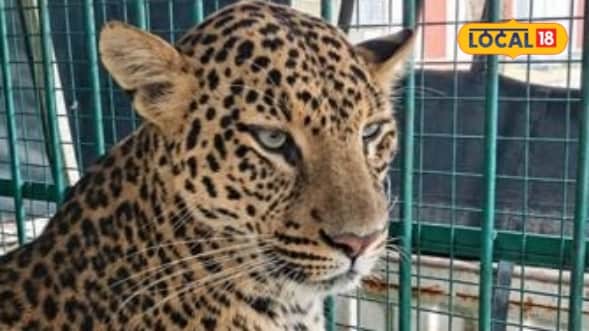
In an alarming yet successful wildlife operation, panic gripped the residents of Gundli village in Bhilwara when a wild panther was spotted roaming through residential areas. The unexpected arrival of the apex predator instantly sent shockwaves across the rural settlement, prompting immediate calls for professional intervention. Villagers maintained utmost caution while securing the perimeter, ensuring that neither human lives nor the distressed animal faced immediate danger before authorities arrived at the scene.
Wildlife encounters in rural fringes of Bhilwara have historical contexts rooted in the shrinking natural corridors and shifting climatic patterns. As peripheral forests experience ecological pressure, wild animals occasionally venture beyond their designated territories in frantic search of basic survival necessities. This particular incident at Gundli village highlights the complex and often precarious interface between human habitations and wildlife habitats, where prolonged dry spells compel predators to migrate toward human settlements.
Upon receiving urgent alerts regarding the panther's presence, the forest department mobilized its specialized rescue unit without delay. Working in close coordination with alert villagers, trained forest personnel formulated a meticulous strategy to corner and secure the animal safely. The operation required high levels of tactical precision, patience, and synchronized teamwork to ensure that the panther did not panic, thereby averting any potential human-wildlife conflict or tragic casualties.
Local stakeholders and residents played an instrumental role in facilitating the rescue operation by providing timely logistical support and adhering strictly to safety instructions issued by the forest department. Elders and community leaders emphasized the importance of remaining vigilant while simultaneously expressing relief that the rescue team acted with utmost promptness. Their cooperative approach proved vital in preventing escalation and maintaining order throughout the tense hours of the operation.
The regional impact of such wildlife excursions extends beyond immediate panic, forcing local communities to re-evaluate their preparedness against unexpected intrusions. While Bhilwara and surrounding districts have occasionally witnessed wildlife wandering into human domains, every single occurrence serves as a stark reminder of the broader environmental challenges confronting local ecosystems. Agricultural communities, in particular, remain acutely aware of the delicate balance required to coexist with regional fauna.
Following the successful capture, the forest department immediately subjected the distressed animal to comprehensive medical evaluations. Veterinary experts diagnosed that the panther was suffering from severe dehydration, directly attributed to intense seasonal heat and a critical shortage of drinking water in its natural habitat. The administrative response was swift, ensuring that specialized medical care was administered immediately to stabilize the wild cat's health condition.
Presently, the rescued panther is under continuous medical observation and rigorous treatment within a secure facility overseen by the forest department. Authorities have confirmed that the animal will remain under strict supervision until it regains full physical strength and vitality. Once veterinary specialists certify the panther as completely healthy and fit for survival in the wild, it will be safely released back into its natural forest habitat.