
In an unexpected turn of events during the ongoing local democratic exercises, a peaceful panchayat election campaign rally held in Beawar witnessed sudden chaos when an aggressive swarm of bees attacked the participants. The incident unfolded in Rampura Rwania village as supporters gathered in large numbers to endorse a candidate running for the position of village head, locally known as a sarpanch. What began as a standard display of political mobilization rapidly transformed into an emergency situation, leaving hundreds of attendees scrambling for safety.
Electoral campaigns in rural districts traditionally involve high-energy processions characterized by large public gatherings, loud sloganeering, and extensive movement through diverse geographic terrains including agricultural fields, rural trails, and forested peripheries. Historically, such processions are a staple of grassroots democracy in Rajasthan, serving as the primary medium for candidates to connect directly with rural electorates. However, the delicate ecological balance in these semi-rural zones often brings human political activity into close proximity with natural wildlife habitats, occasionally resulting in unforeseen human-animal conflicts.
According to eyewitness accounts and official reports from the ground, more than three hundred individuals were actively participating in the procession when the attack occurred without warning. The sudden provocation of the insect swarm sent shockwaves through the crowd, triggering an immediate and panicked stampede as participants fled in all directions to escape the stings. The sheer volume of people concentrated in a narrow rural pathway exacerbated the confusion, leading to numerous falls and secondary injuries as individuals attempted to distance themselves from the aggressive swarm.
Community members, local organizers, and affected families have expressed deep distress over the suddenness of the calamity. Several senior citizens and local traders who witnessed the episode noted that while political rallies are meticulously planned for logistical and promotional purposes, natural hazards such as beehives located on nearby trees or structures are rarely factored into standard security assessments. The emotional toll on the participants, particularly vulnerable demographics such as families accompanying the candidates, highlights the inherent unpredictability of conducting mass public events in rural environments.
The broader regional impact of this incident reverberates across the wider district administrative zones, reminding local authorities of the myriad safety vulnerabilities associated with unmanaged campaign trails. Stakeholders across community and municipal sectors have begun questioning the adequacy of medical standby protocols during intense political campaigns. Economic activities in the immediate vicinity were temporarily halted as commercial establishments and local markets closed their shutters to accommodate the influx of panicked citizens and emergency transit vehicles.
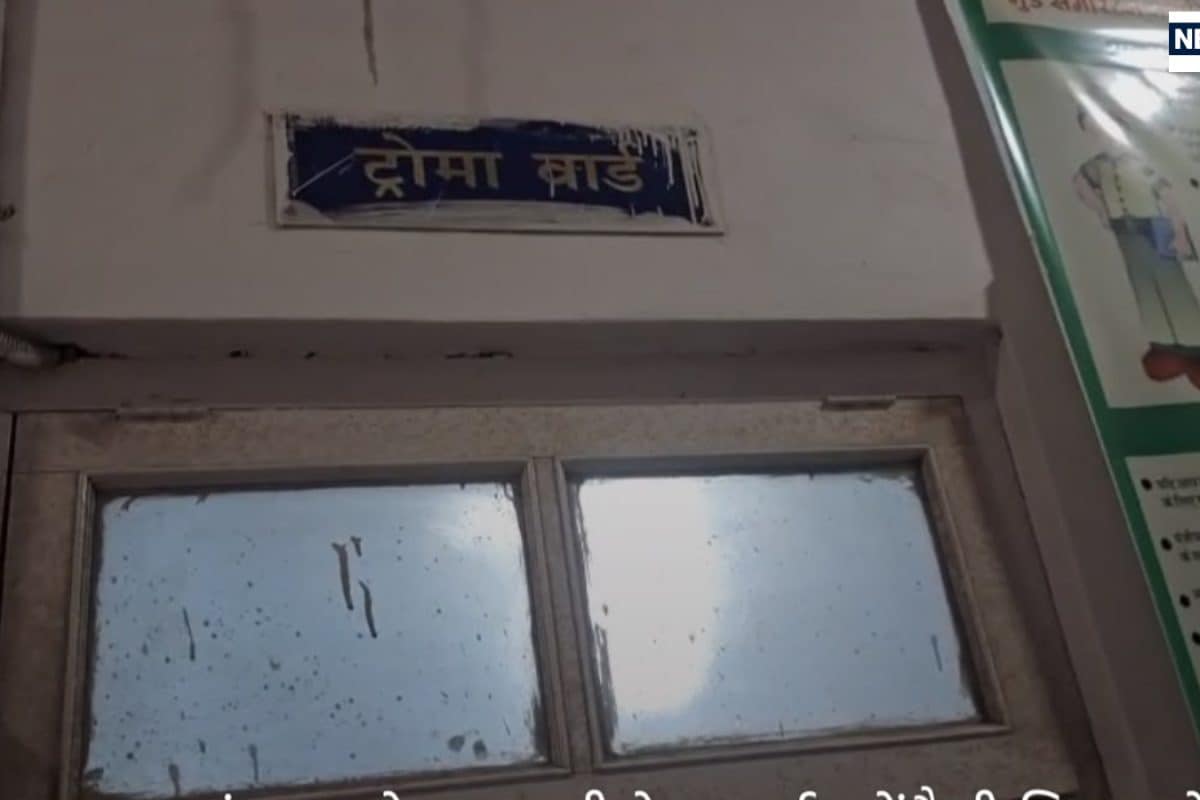
Responding swiftly to the crisis, local emergency response teams, including the deployment of the statewide one hundred and eight ambulance service along with several private vehicles, coordinated an efficient evacuation effort. The injured individuals were promptly transported to the AKH hospital for urgent medical evaluation and clinical treatment. Medical professionals at the facility confirmed that fifteen individuals, including three women and four teenagers, suffered multiple stings and associated trauma, though timely interventions ensured that their conditions were stabilized under continuous observation.
Looking ahead, local governance structures and election observers anticipate stricter safety guidelines for political rallies, urging organizers to conduct thorough environmental reconnaissance of designated routes prior to large-scale mobilizations. As the affected individuals recover from their injuries at the medical facility, the community remains vigilant, balancing the democratic fervor of the upcoming panchayat polls with a heightened awareness of environmental and safety precautions to prevent similar emergencies in the future.
