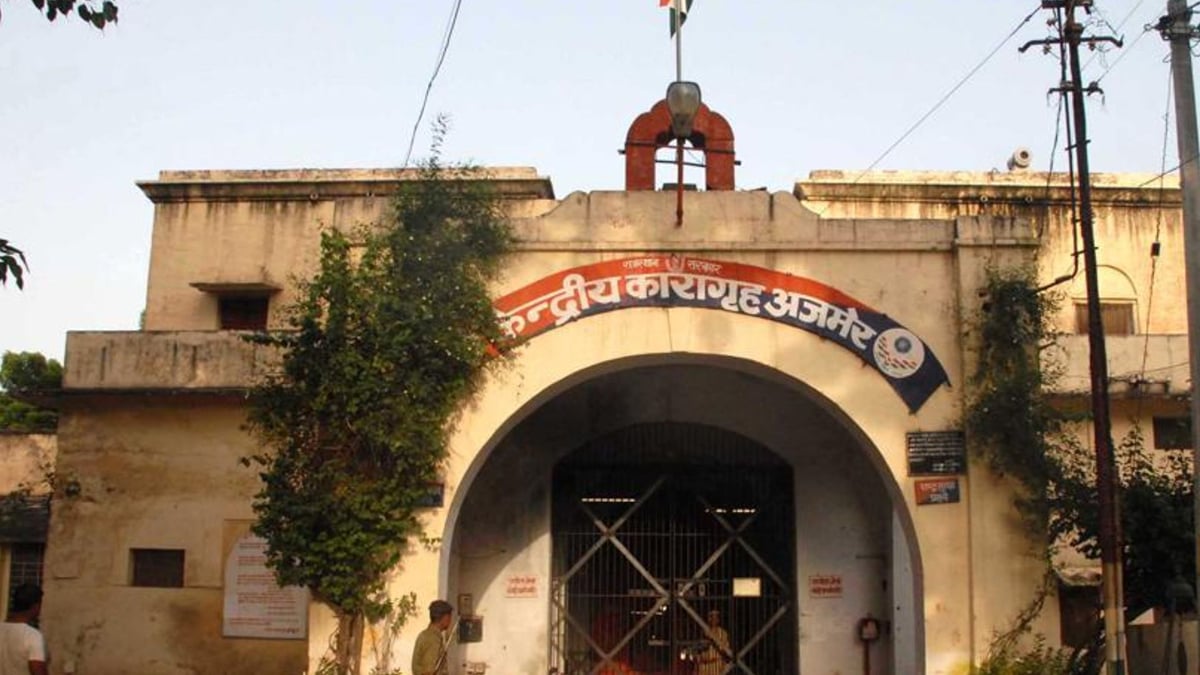
In an extraordinary turn of events within the high-security prison situated in Ajmer, an unexpected security deployment has captured the attention of prison administrators and observers alike. Approximately 10 to 12 cats have effectively integrated themselves into the daily operational routine of the maximum-security compound. These felines are no longer mere stray visitors within the perimeter; rather, they have organically evolved into vigilant sentinels accompanying security personnel during their rigorous rounds.
The historical context of high-security correctional facilities traditionally relies on impenetrable physical infrastructure, high walls, advanced surveillance technology, and vigilant human patrols. However, the unique architectural layout and sprawling grounds of the Ajmer facility have inadvertently fostered a symbiotic relationship between the security apparatus and the local feline population. Over time, prison staff noticed that these animals possessed an innate ability to detect subtle movements and environmental anomalies long before human senses could register them.
Delving into the ground reality of this situation, the presence of exactly 10 to 12 cats has transformed the internal dynamics of the high-security zone. While correctional facilities deal with immense logistical and security stakes involving hardened criminals, the inclusion of these animals provides an uncalculated layer of biological early warning. Financial resources are not directly expended on their training, yet their natural instincts yield invaluable services in tracking pests and potential reptile threats within the sprawling premises of Ajmer.
Stakeholder perspectives regarding this unusual arrangement reveal a mixture of astonishment and pragmatic appreciation. Prison officials and guards operating within the Ajmer facility have shared remarkable anecdotes testifying to the alertness of these felines. The turning point occurred when a highly venomous cobra managed to infiltrate the cell of a high-profile gangster. Displaying remarkable territorial aggression and vigilance, the cats intercepted and confronted the lethal reptile, effectively alarming the personnel and averting a fatal tragedy, thereby saving the inmate's life.
The regional impact of this phenomenon extends well beyond the boundaries of the Ajmer district, resonating through neighboring administrative zones including Kotputli-Behror. Local communities and security analysts are discussing the intersection of nature and high-security penology. While the core economy and daily life of Kotputli-Behror remain anchored in regional trade and agriculture, administrative circles are closely observing how unconventional methods can sometimes supplement institutional security frameworks without placing additional burdens on the exchequer.
Administrative responses to the presence of these feline sentinels have been remarkably accommodating. Rather than initiating removal procedures, prison authorities in Ajmer have chosen to permit their continued presence, recognizing their utility as natural deterrents against venomous snakes and rodents. Statutory oversight mechanisms have noted that while security protocols must remain paramount, the informal integration of these animals does not breach any core correctional regulations, provided standard health and sanitation norms are maintained within the compound.
Looking toward the forward outlook, the Ajmer high-security facility intends to maintain this delicate balance between rigid human enforcement and biological vigilance. As discussions continue regarding the optimal management of maximum-security institutions, the tale of these cats serving as protectors in a high-stakes environment underscores the unpredictability of prison administration. Public expectations remain focused on maintaining rigorous safety standards, while acknowledging the quiet, unexpected heroism displayed by the facility's feline guardians.